Source: The best way to learn UX/UI design. (n.d.). Retrieved from https://app.uxcel.com/glossary/content
Content refers to all information, text, images, multimedia, and other visual elements created and presented within a design composition. It is the substance or material that conveys a message, communicates ideas, and provides value to the audience.
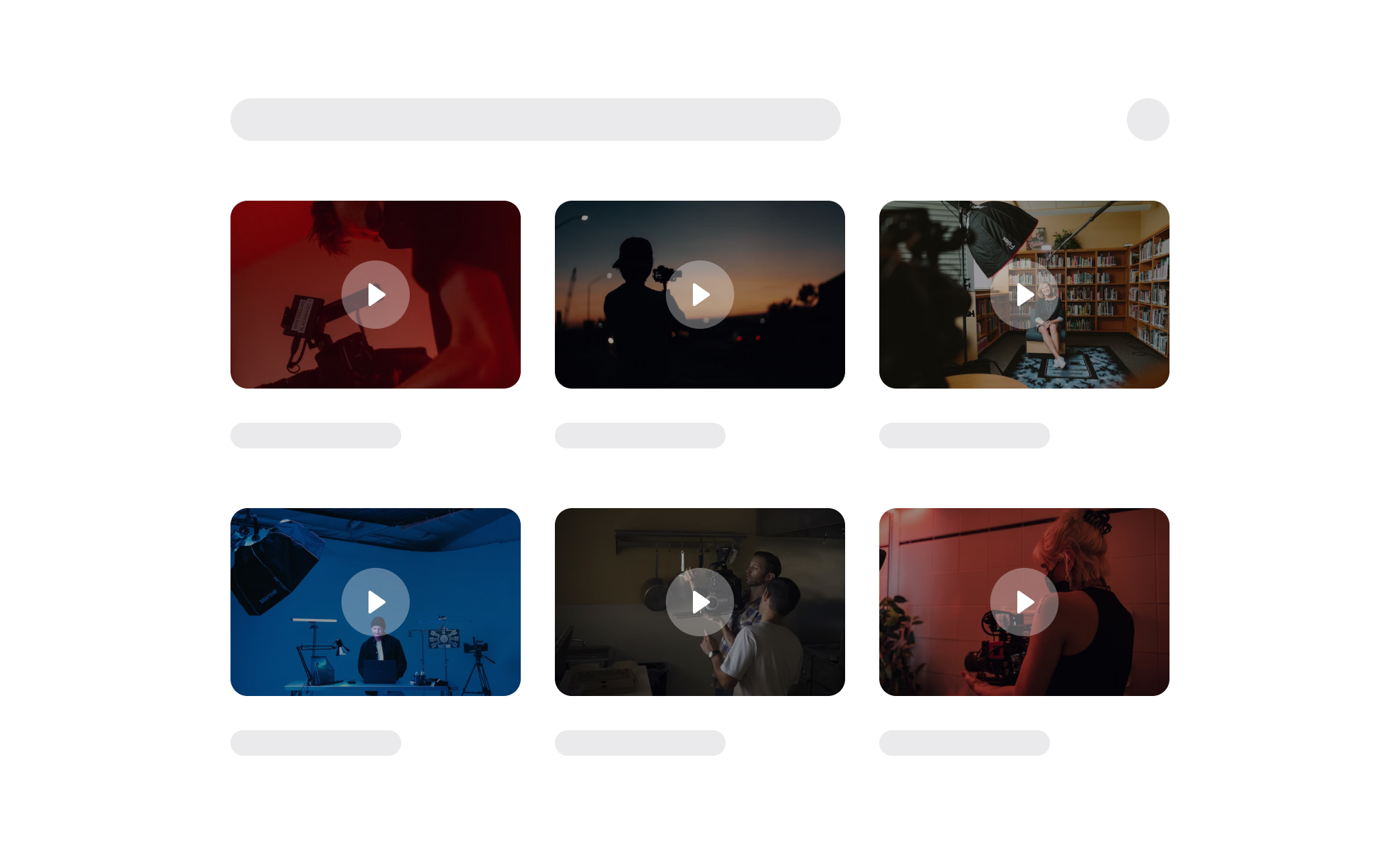
- What is content?In the context of design, content refers to the information, text, images, videos, and other media elements that are presented to users within a product, website, or any other design medium. Content is the substance that users engage with, consume, and interact with in order to fulfill their needs and achieve their goals. It includes written copy, visual assets, multimedia components, and any other form of communication that conveys information, delivers messages, and provides value to the user.
- Why is content important in design? Content is a critical component of design because it serves as the means of communication between the product or service and the users. It plays a crucial role in informing, guiding, and engaging users throughout their experience. Well-crafted and relevant content enhances the user experience by providing clear instructions, valuable information, and compelling storytelling. Effective content design helps users understand the purpose, functionality, and benefits of a product and influences their perception and satisfaction. Thoughtful content strategy and execution can build trust, establish brand identity, and drive user engagement.
- How can content be optimized for better user experience? Optimizing content for a better user experience involves considering various factors. Ensure that the content is relevant and tailored to the needs and expectations of the target audience. Conduct user research to understand their preferences, goals, and pain points, and align the content with their motivations. Next, focus on clarity and simplicity. Use concise and straightforward language, avoid unnecessary jargon, and structure the content in a logical and scannable manner. Break down complex information into digestible chunks, use headings and subheadings, and employ visual elements to enhance comprehension. Also, consider the formatting and presentation of the content. Use appropriate typography, legible fonts, and appropriate spacing to improve readability. Incorporate visuals and multimedia elements to make the content more engaging and memorable. Lastly, regularly evaluate and update the content to keep it relevant, accurate, and up to date. Monitoring user feedback and analytics can provide insights into areas of improvement and help refine the content for an optimal user experience.