Teaching Art – Composition
Finding the visual sweet spots
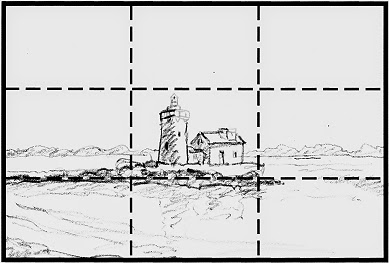
Version 1. Middle? No. When designing the composition of a drawing or
painting you need to make it interesting to the viewer. Try not the place your focal point dead center. It’s boring. Artist’s no.1 no-no rule.
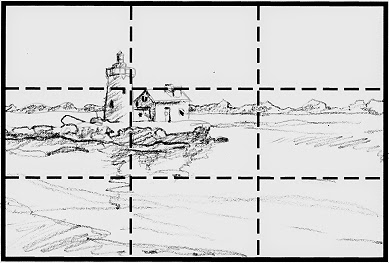
Version 2. A little better… Here change happens in the composition
when the focal point hits a “sweet spot” in the composition.
But it’s not quite there – the horizon line is too close to the center of the paper.
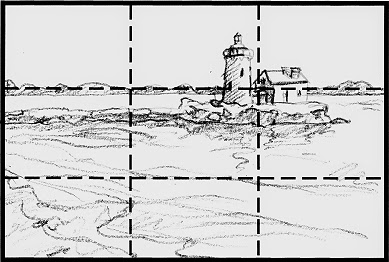
Version 3. The keeper! This composition offers a pleasing balance
while being more dramatic & interesting then version 2. The horizon line 2/3rds high.
Here’s a couple things I said as students were drawing:
- DO overlap objects to add depth to your drawing.
- DON’T place objects that almost touch or are “tickling” each others edges.
- DO group objects creatively – have fun!
- DON’T balance equally – this is boring.
- THINK about where your horizon line is – should it be in the center of your paper?

Types of composition:
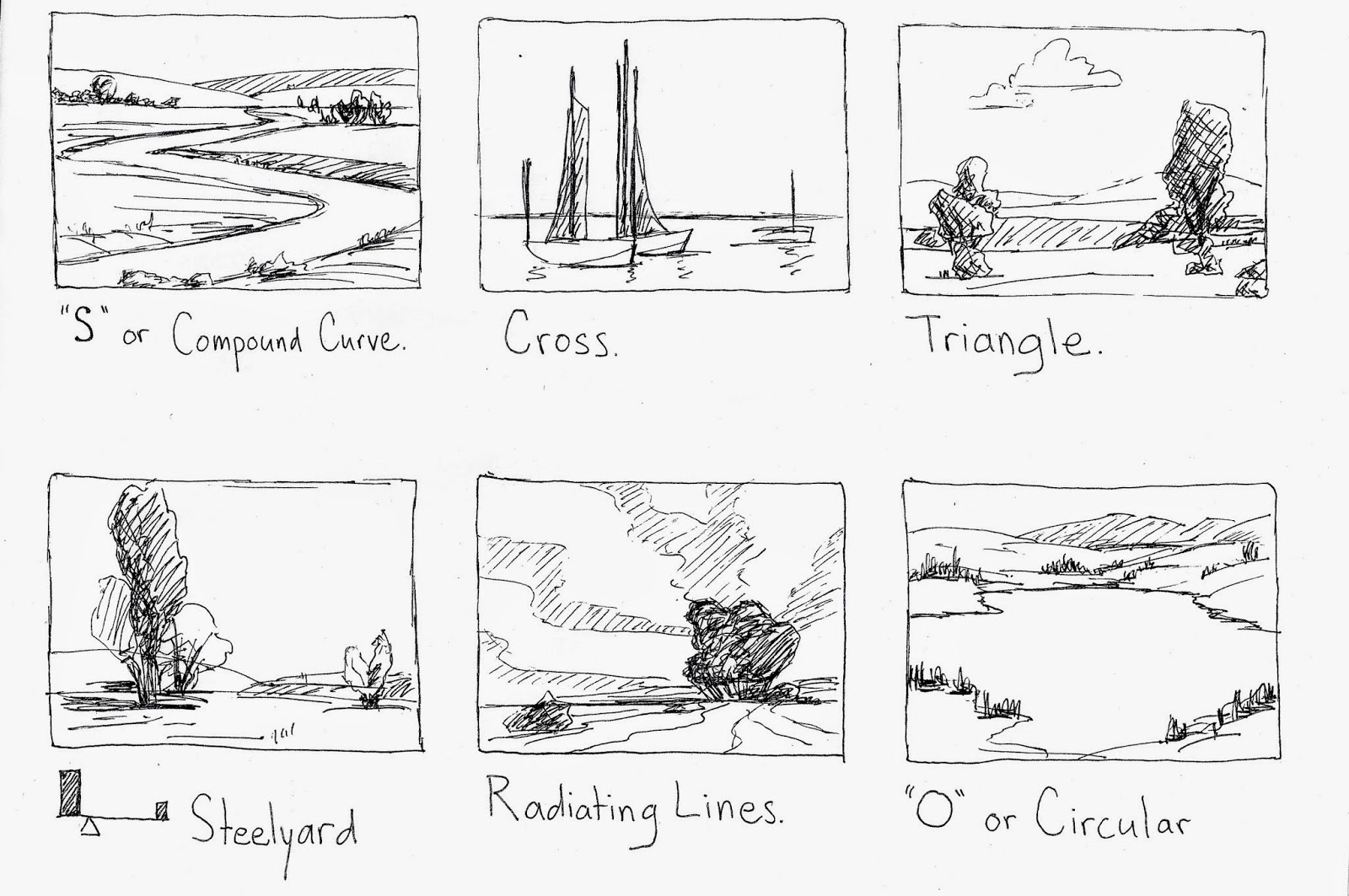
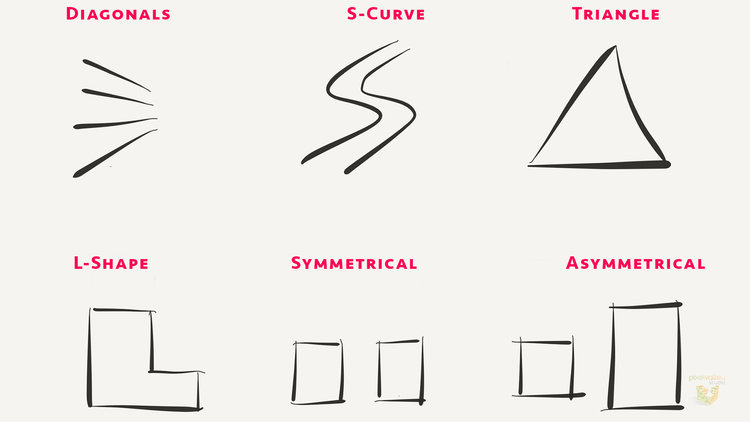
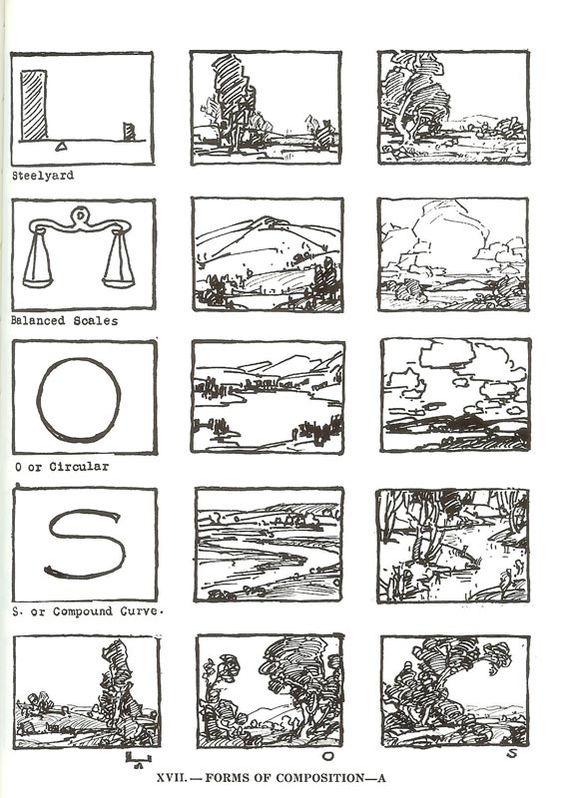
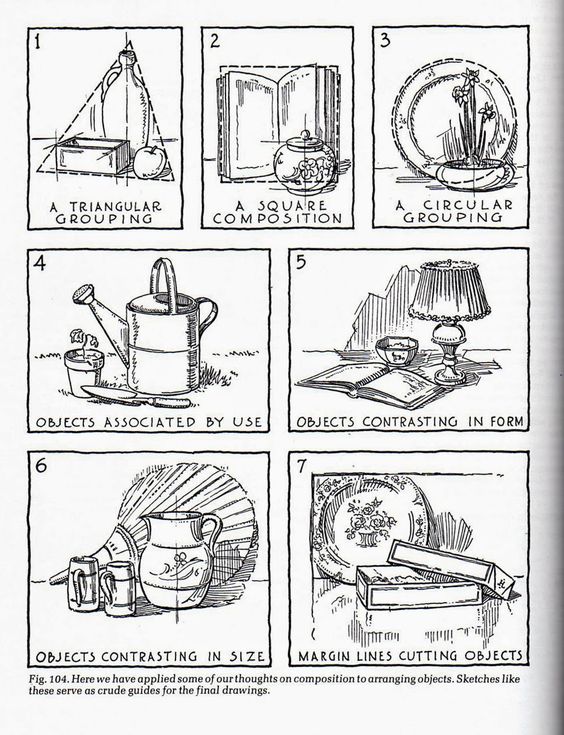
Two Ways to Look at Composition: Focus and Effects.
We can use compositions to guide the viewer’s eye to a point or points we want them to look at. Focus.
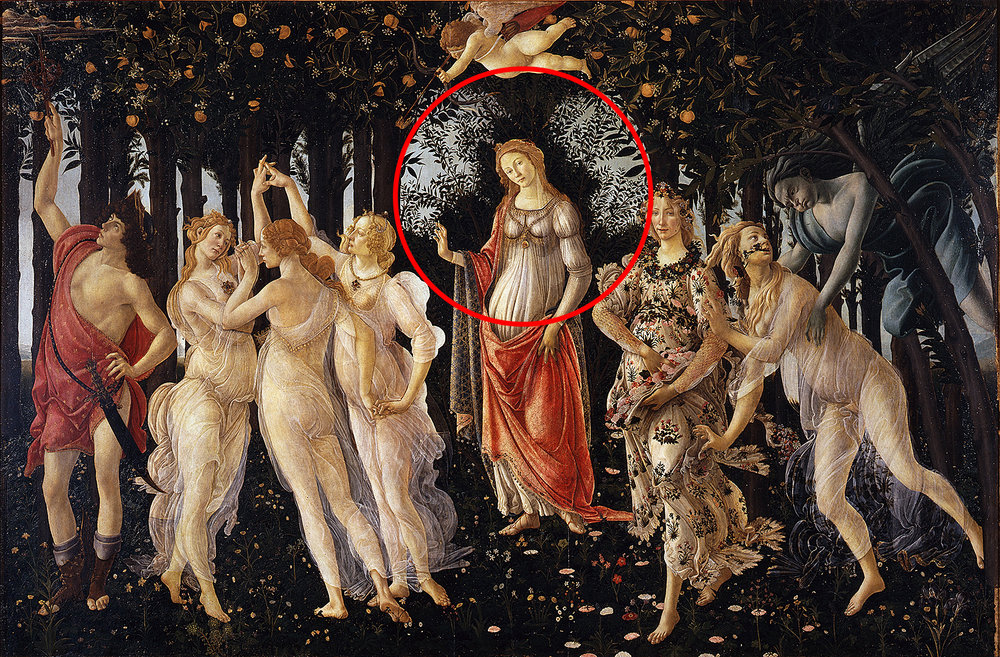
Shapes like circles, triangles, L shapes draw the viewers eye, into and around an image.
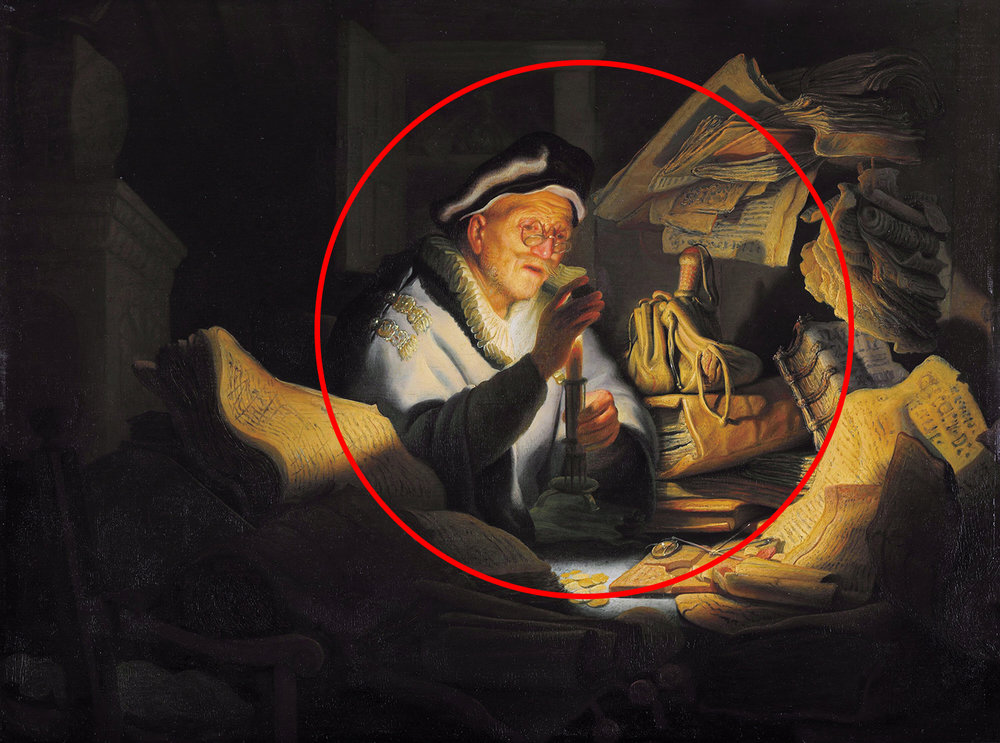
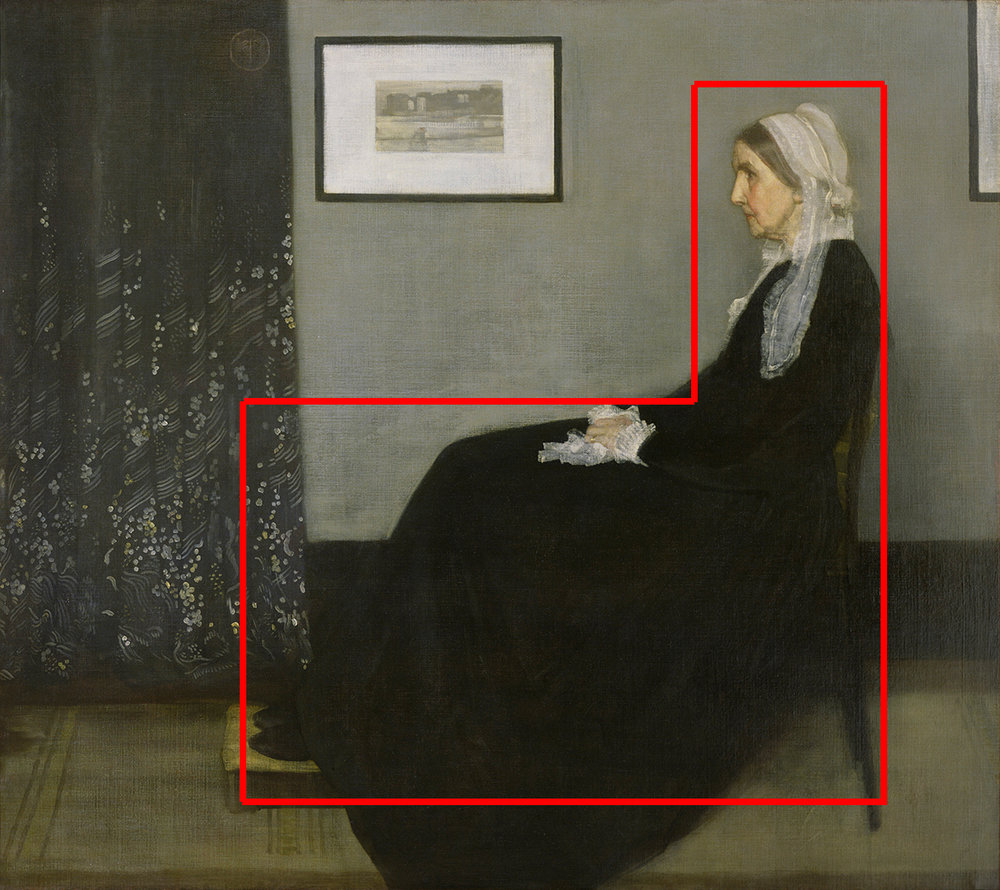
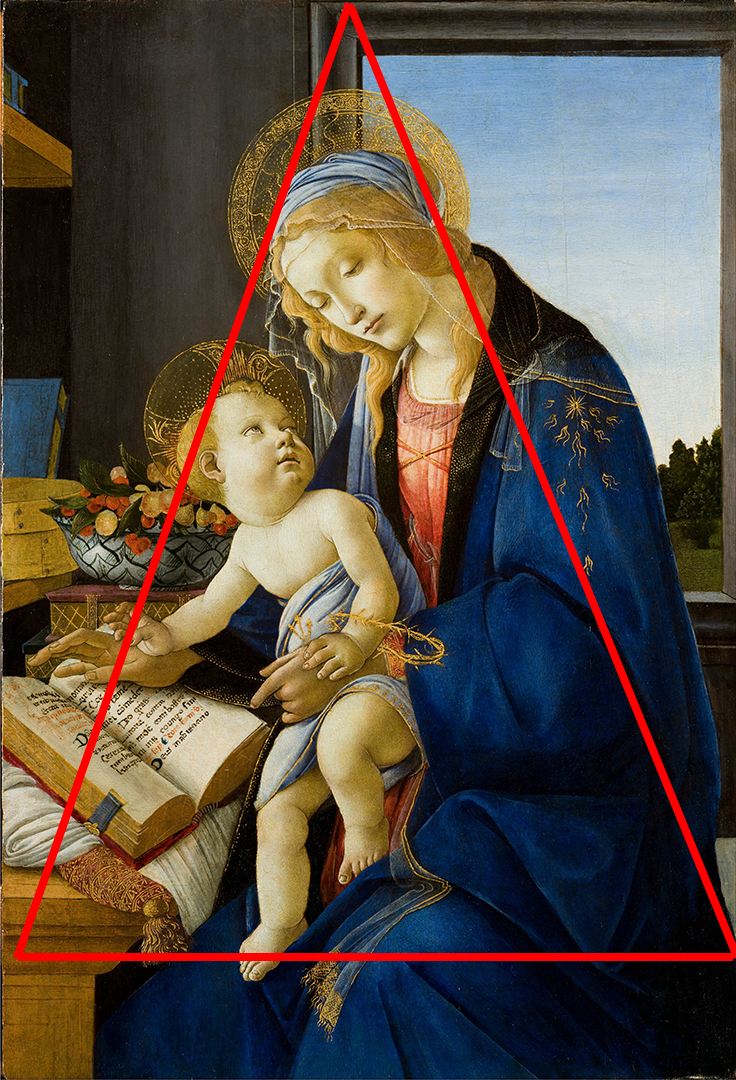
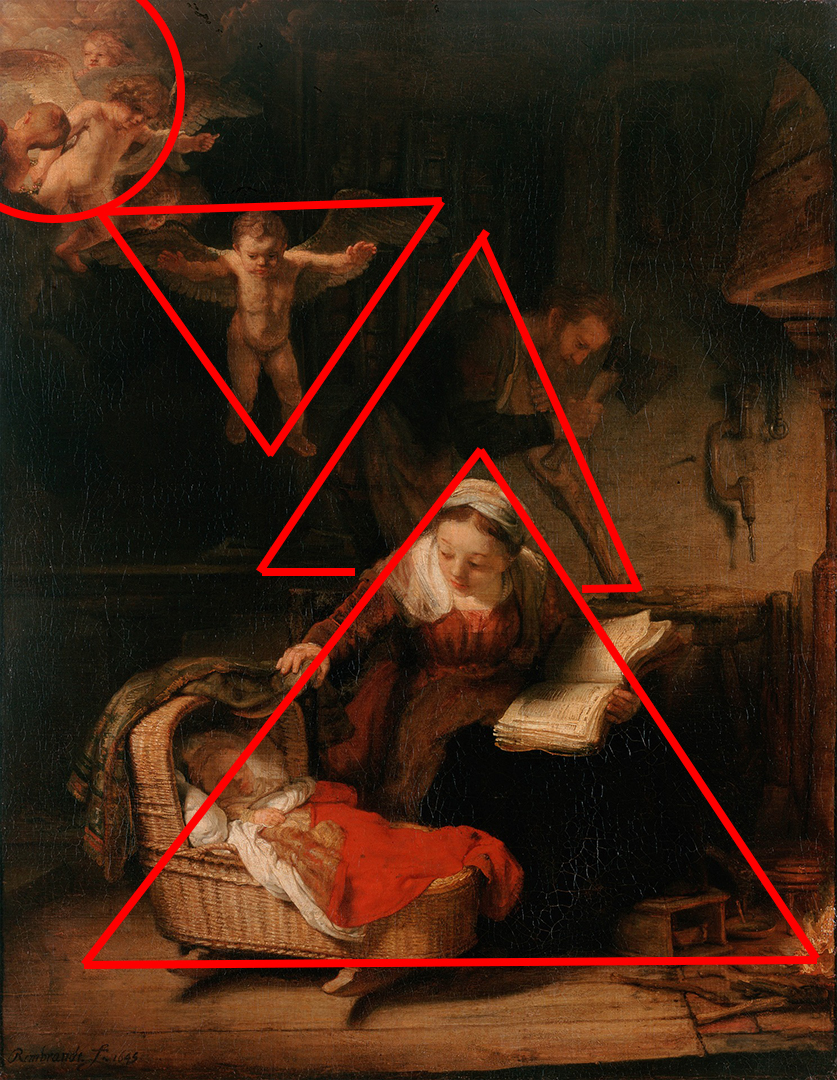
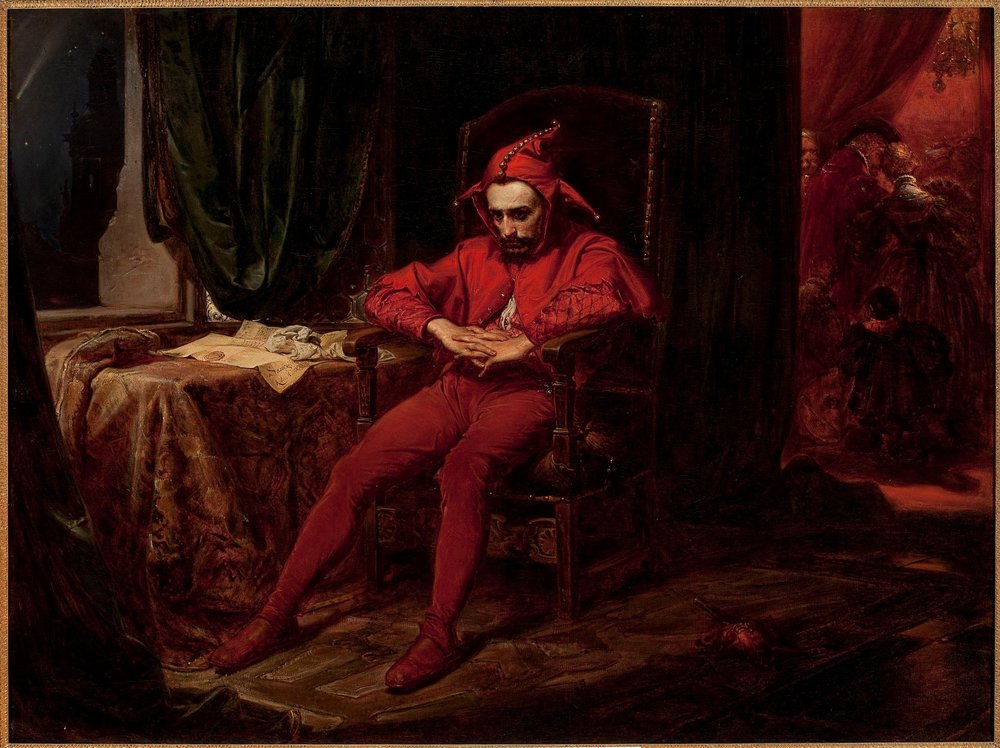
A composition can also create a feeling, an effect on the viewer.
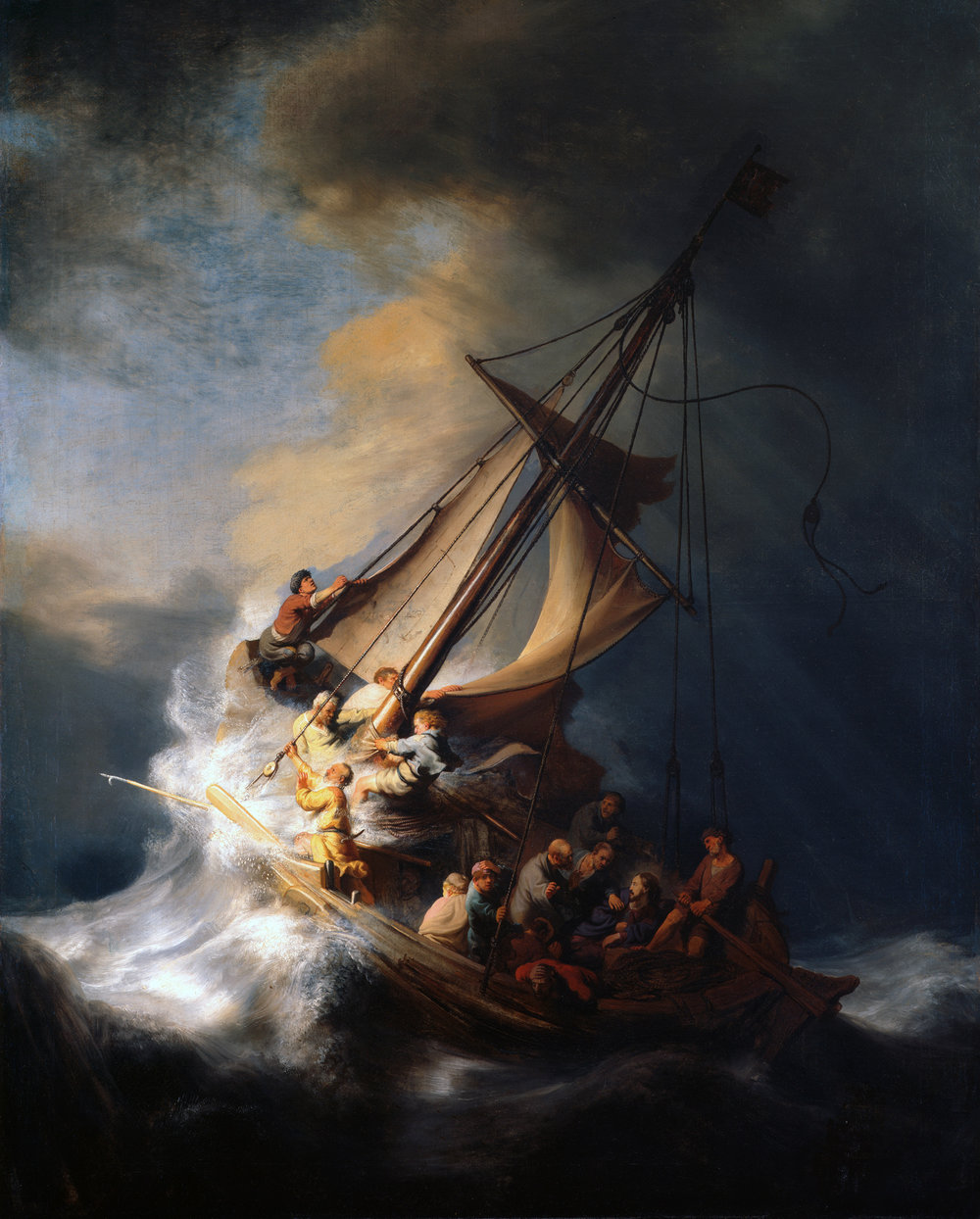
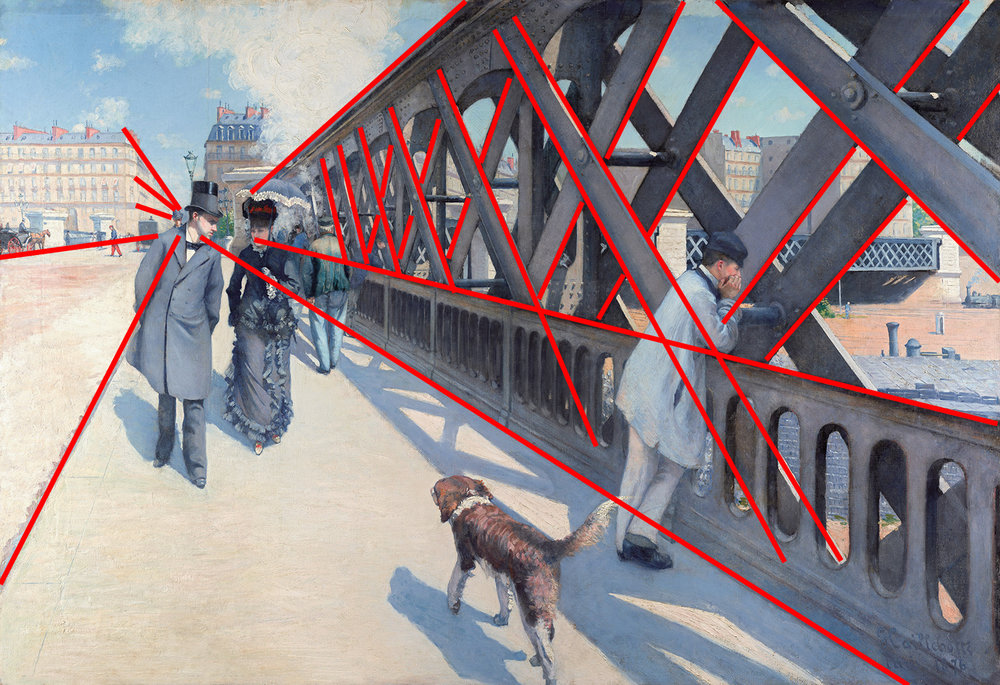
Diagonals create a feeling of movement and action. Here’s a classic impressionist painting I love. The artist’s viewpoint on the bridge create’s diagonal lines that draw the viewer into the painting and give a feeling of action.
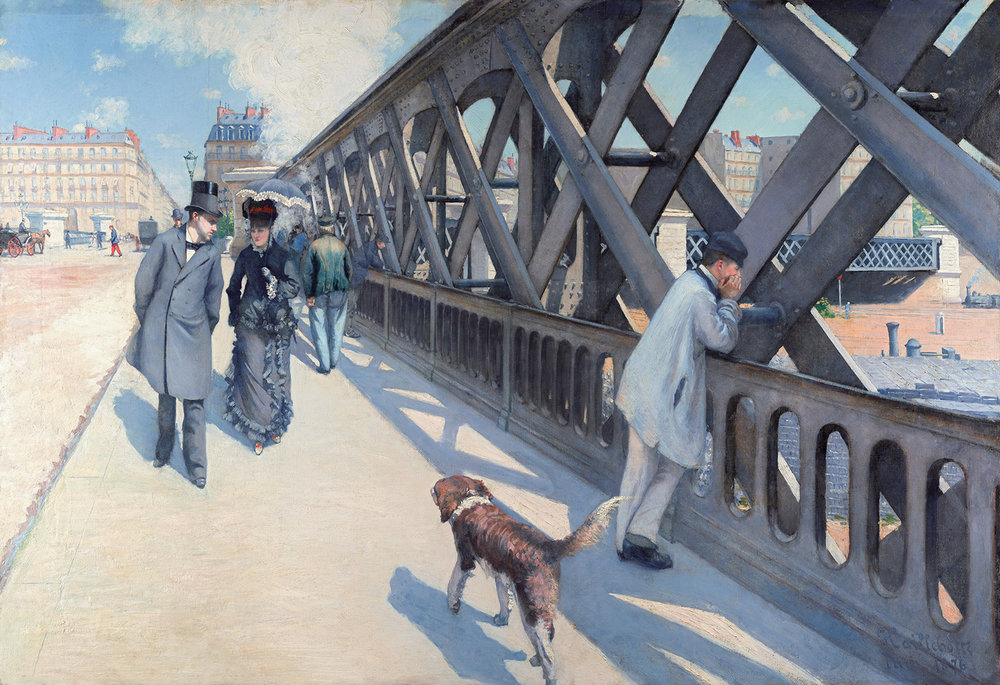
The street, the sidewalk, the bridge, the buildings in the background. But what’s interesting is how they are in contrast to the people in the frame.
A couple casually walking, a man peering over the bridge with his head resting in his hands, a dog strolling.
Symmetrical and Asymmetrical Balance
Symmetrical and Asymmetrical Balance can create feelings of Unity or contrast