Design for
Social Good.
Design can do more than make something look good. It can make people notice an issue, question an assumption, reconsider their behavior, and take action. In this project, you will use visual communication to bring attention to a social issue that matters.
Make people stop and think.
Your task is to design a poster that communicates a social issue clearly and persuasively. Choose an issue that deserves greater attention, research it, and develop a visual message that encourages an audience to think differently or take meaningful action.
Your design should combine a strong concept with intentional choices in typography, imagery, composition, color, and visual hierarchy. The goal is not simply to illustrate a problem. It is to communicate why the issue matters.
Your central question:
How can a single poster make an audience notice, understand, or respond to a social issue?
Study the examples.
The following student posters are from the AIGA Design Teaching Resource project, Design for Social Good. Look at how each designer uses a concise message, imagery, contrast, and composition to communicate an issue. Click any poster to open the image at its full available size.
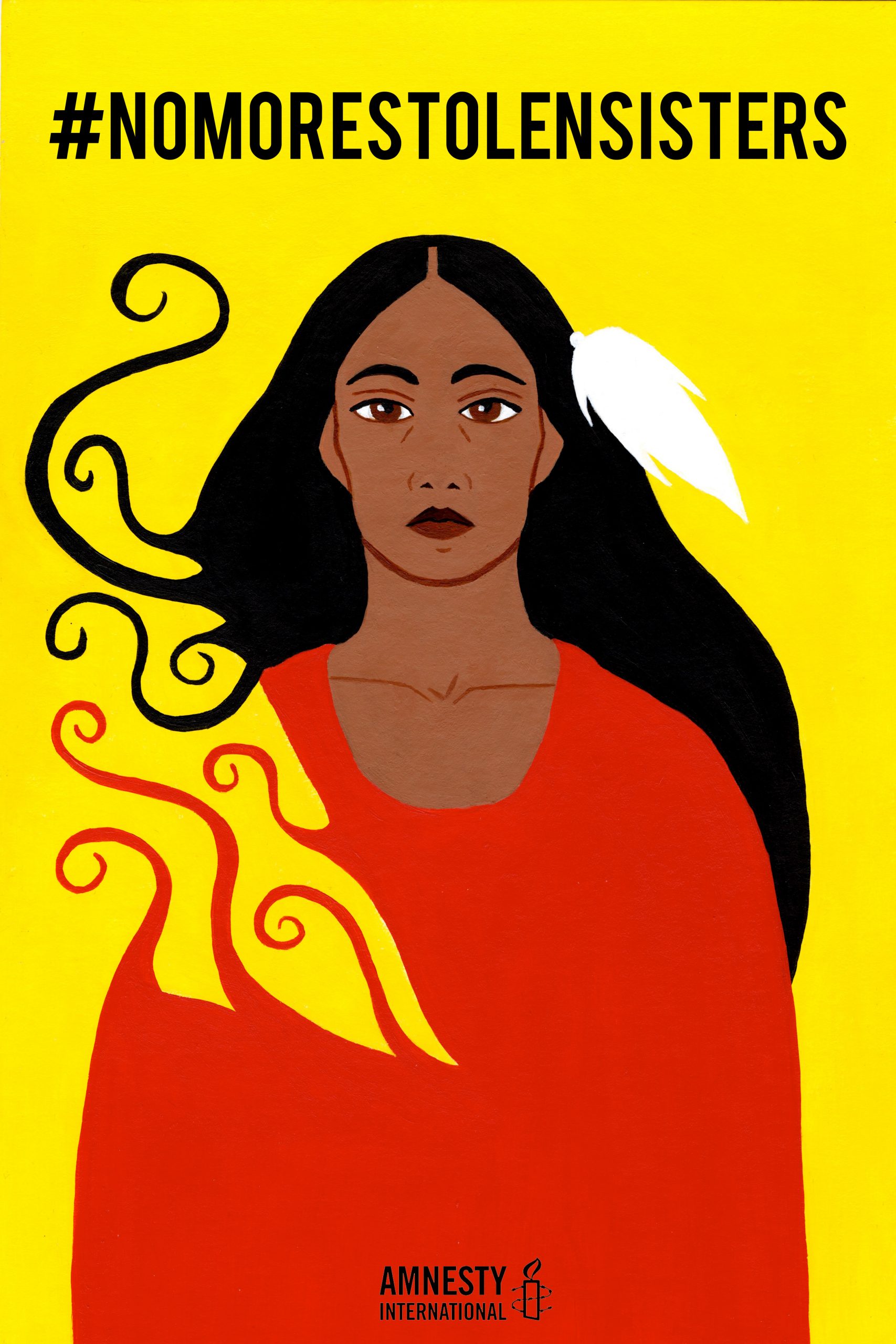
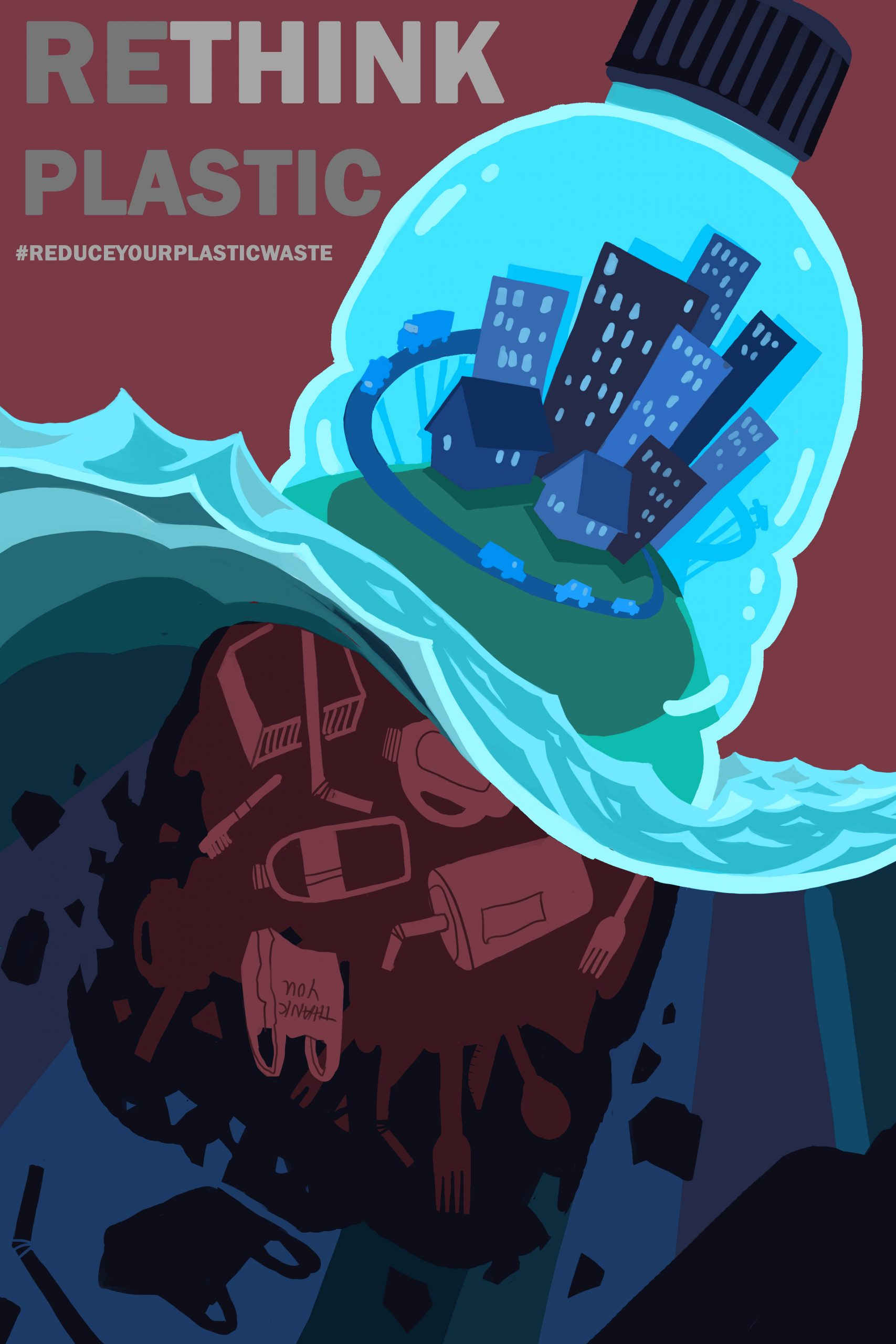
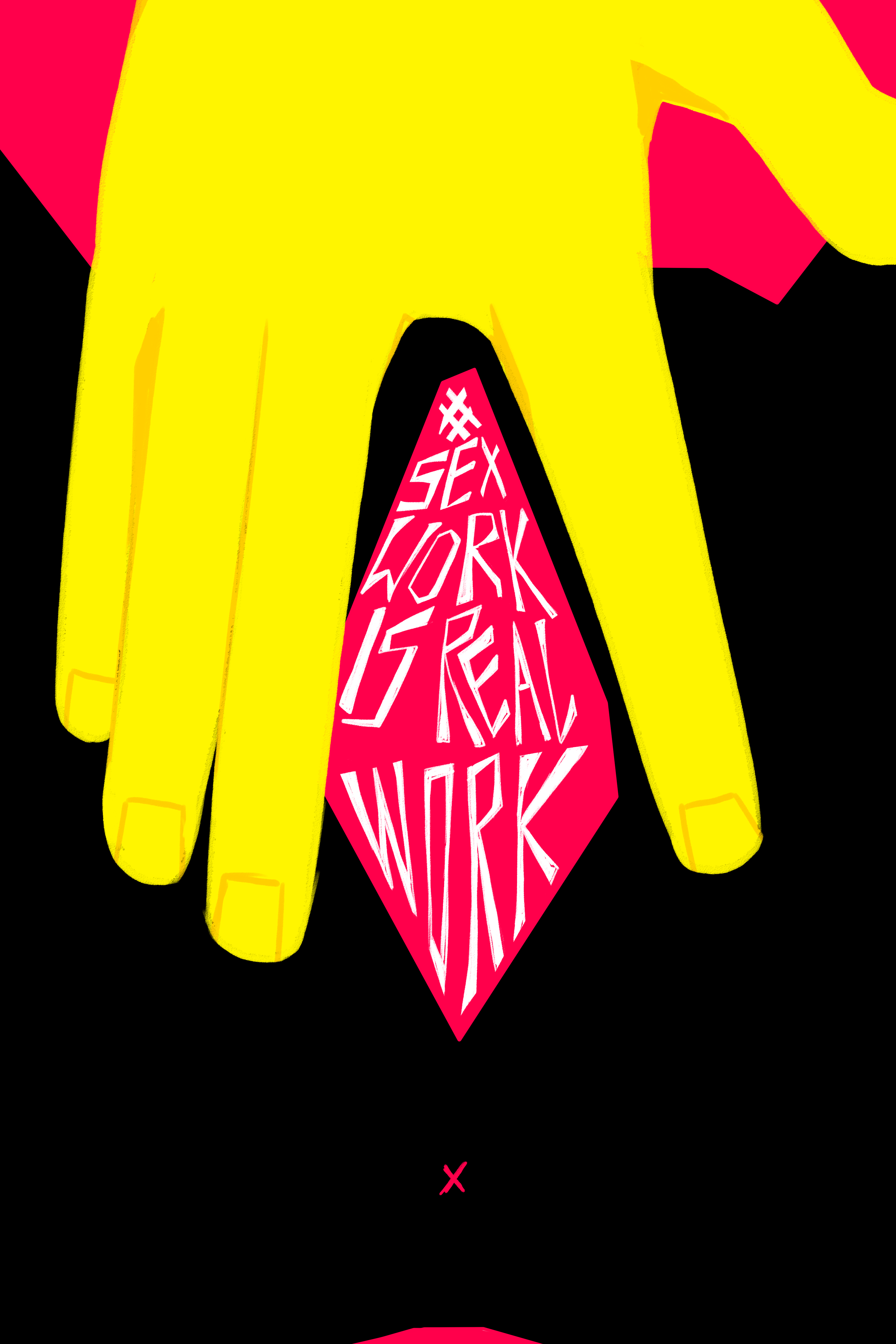
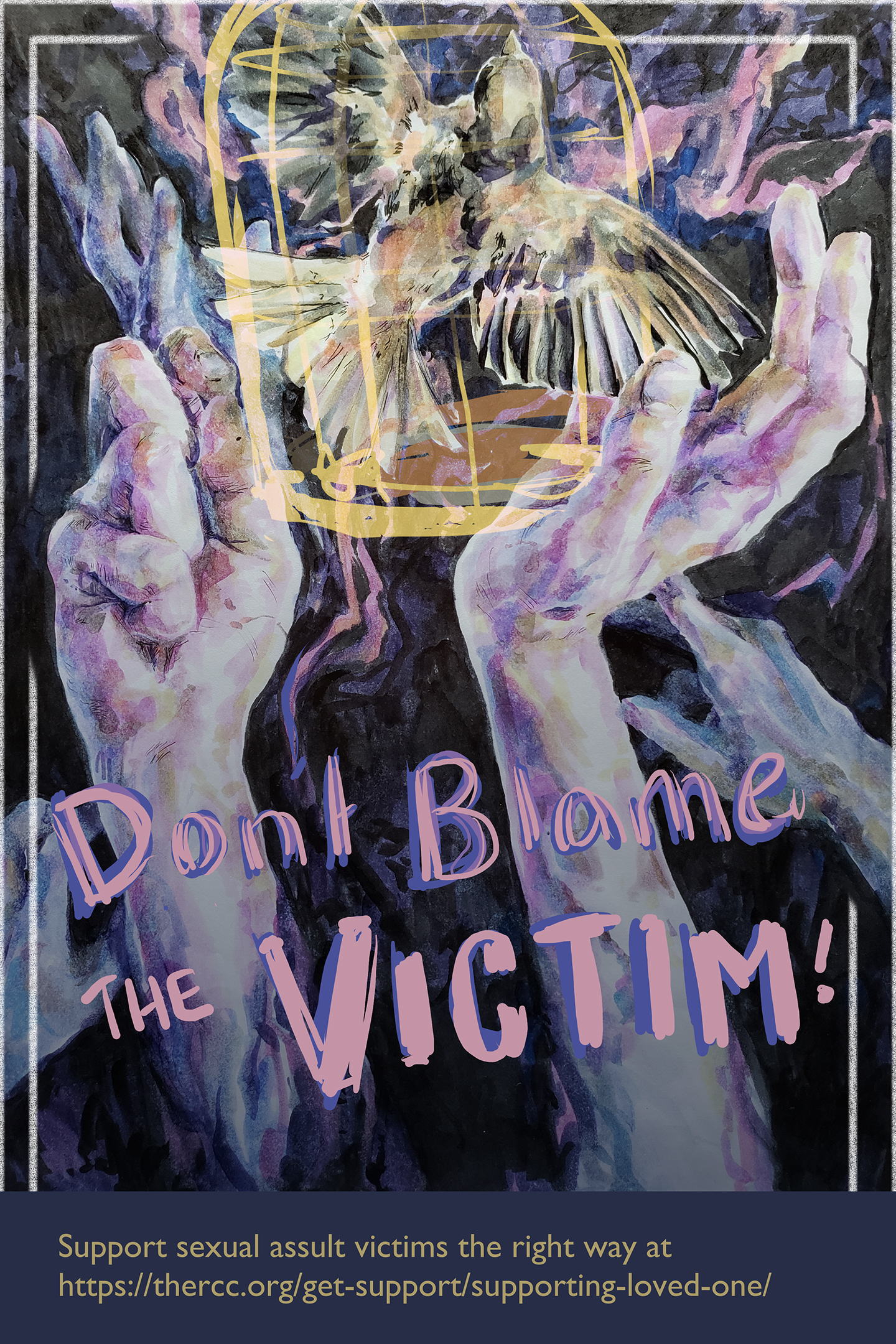

As you look, ask yourself:
What do you notice first? What makes the message clear? How do the visual elements support the concept? What do you think the designer wants the audience to do or reconsider?
Choose an issue that matters.
Begin by selecting a social, cultural, environmental, or public-interest issue. Your subject should be specific enough to communicate in a single poster and meaningful enough to support research and a clear point of view.
Possible directions
- Environmental responsibility, waste, or pollution
- Public health, food systems, or access to resources
- Equality, discrimination, or representation
- Community safety, housing, or education
- Digital privacy, misinformation, or online behavior
- Animal welfare or protection of natural habitats
- Another social issue approved by your instructor
Research before designing
- Identify the problem and the people or communities affected.
- Use credible sources to understand the issue.
- Find a specific fact, insight, or misconception worth communicating.
- Identify the audience you want to reach.
- Decide what you want that audience to think, feel, or do.
Keep a record of your sources. Avoid relying on a headline or statistic without checking its original context.
Develop the idea before polishing it.
Familiarize
Research the issue, audience, context, and existing campaigns. Identify what your audience needs to understand.
Explore
Sketch multiple concepts. Experiment with headlines, metaphors, imagery, composition, and visual approaches.
Refine
Select the strongest concept. Develop hierarchy, readability, contrast, alignment, and the relationship between words and images.
Evaluate
Present your work for critique. Test whether viewers understand the message and revise based on useful feedback.
Important: Document your process. Your early sketches and discarded ideas help demonstrate how your final solution developed. Do not submit only the finished poster.
Design requirements.
Your final poster must:
- Communicate one clear social message or central idea.
- Use typography and imagery intentionally.
- Establish a strong visual hierarchy and readable text.
- Use composition, scale, color, and contrast to guide attention.
- Include a call to action or a meaningful next step.
- Credit any borrowed imagery, research, or other source material.
- Be original work created for this assignment.
Format
- Poster size: 10 × 15 inches or 15 × 20 inches, following the original AIGA project brief.
- Final artwork: High-resolution PDF suitable for presentation or printing.
- Process document: A low-resolution PDF documenting research, sketches, concept development, and refinement.
Your call to action may take the form of a website, organization name, hashtag, resource, or direct request. Make sure it fits the issue and gives the audience a meaningful way to respond.
Your deliverables.
1Research + Concept
A concise explanation of the issue, intended audience, key insight, and message you want to communicate. Include links or citations for your research.
2Process PDF
Include research, initial sketches or thumbnails, alternate concepts, design development, and evidence of refinement. Export a low-resolution PDF that is easy to review.
3Final Poster PDF
Submit your finished poster at the required dimensions as a high-resolution PDF. Check image quality, typography, margins, and readability before exporting.
4Critique + Reflection
Be prepared to present your concept, explain your design decisions, respond to peer feedback, and identify revisions you made or would make next.
Evaluate the communication.
During critique, we will consider not just whether the poster looks polished, but whether its design choices help communicate the issue.
- What do you notice first, and why?
- Can you identify the main message quickly?
- Who is the intended audience?
- How do typography and imagery reinforce the concept?
- Does the poster communicate responsibly and accurately?
- Is the call to action clear and appropriate?
- What might confuse, distract, or alienate the audience?
- What specific revision could make the design more effective?
Design has consequences.
After critique, reflect on how your understanding of the issue shaped your design. Think about how graphic design can influence awareness, interpretation, and action—and where the responsibility of a designer begins.
Respond to these prompts
- What is the most important idea you want viewers to take away?
- Which design decision best supports your message?
- How did research change your initial concept?
- What did you learn from critique?
- What would you revise if you had more time?
- How can designers advocate for change without oversimplifying an issue?
What makes the project successful?
- Concept and research: The issue is well understood, the message is focused, and the design is informed by credible research.
- Visual communication: Typography, imagery, hierarchy, composition, and contrast work together effectively.
- Audience and action: The poster considers its audience and provides an appropriate call to action or next step.
- Process and refinement: The work shows exploration, thoughtful iteration, and response to critique.
- Craft and delivery: The final PDF is clear, polished, correctly formatted, and accompanied by the required process documentation.
Start here. Then look deeper.
Primary assignment inspiration
Todd Barsanti, “Design for Social Good,” AIGA Design Teaching Resource,
published August 19, 2020.
View the original AIGA teaching resource →
The poster images displayed above are linked from the course asset repository for classroom reference. The original project and its student designers are credited to AIGA’s teaching resource.
Course asset repository
View the poster files on GitHub →
This classroom assignment adapts the original resource for AMDE 350. Students should cite their own research and credit all third-party material used in their designs.