A drawing is simply a line going for a walk. –Paul Klee
Drawing is fundamental to all other art. It is how artists structure, plan and negotiate space. Drawings can be studies for later paintings or sculptures as well as being an art form on their own. Think of it as the foundation to your artistic house. If the foundation is weak, the house will collapse. As John Singer Sargent said, “You can’t do sketches enough. Sketch everything and keep your curiosity fresh.”
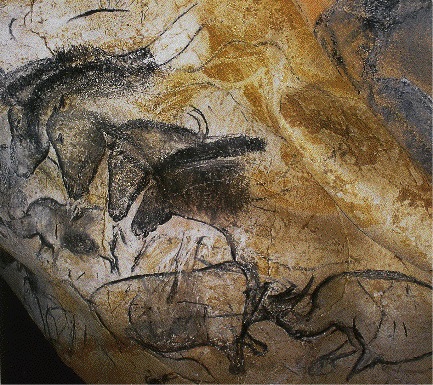
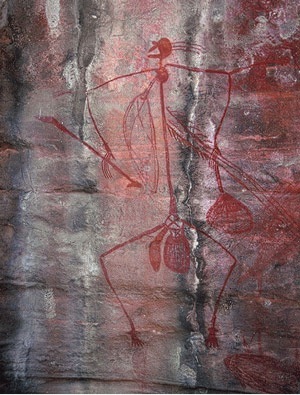
Prehistoric artists used natural materials to create pigments they could draw with, such as red ochre and black charcoal. Ochre is a natural earth pigment that comes in a variety of colors from red to yellow and sometimes even purple depending on the amount of iron oxide, hematite, or other pigments mixed in with it. Black charcoal is made by burning tree branches (imagine the last time you had a campfire); the charred bits of wood that are leftover can be used as charcoal. Prehistoric artists would apply the pigments with their fingers, sticks, blown through a hollow piece of bone, or by applying the pigment directly to the walls of caves.
Drawing predates language, and these cave paintings were likely a way for prehistoric people to communicate things like which animals were available for hunting in the area.
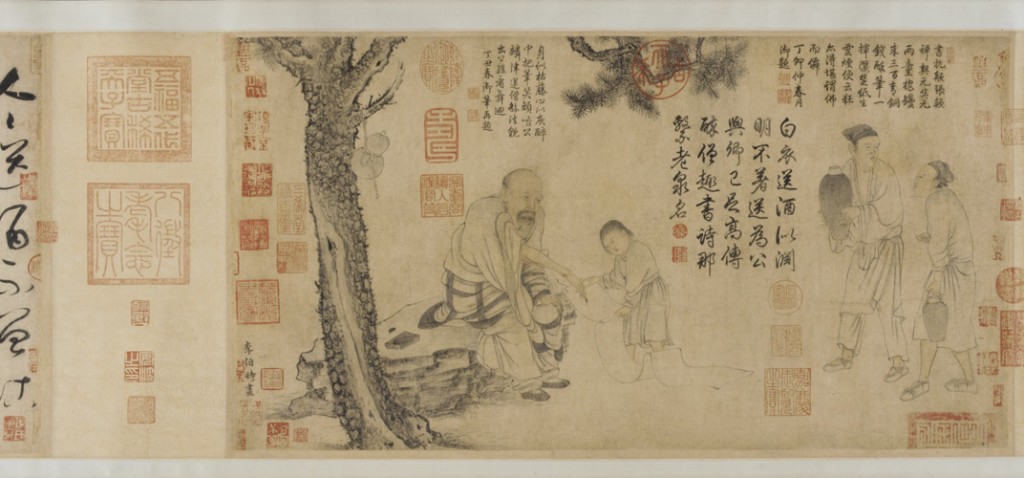
Paper and the pulp-making process is said to have developed in China in the 2nd century A.D. Before that, the Chinese produced ink drawings and paintings on silk. The process of making paper spread from China, through the Middle East, and into Europe by the 13th century. Some of the most beautiful examples of drawing during this time can be found in the practice of calligraphy, which is a type of artful writing done with a brush or pen.
European Monasteries from the 7th to 15th centuries produced beautiful, hand illustrated manuscripts filled with calligraphy on vellum or parchment made from animal hides. One of the oldest examples of the illuminated manuscript is the Codex Vaticanus, which has been dated to the 4th century.
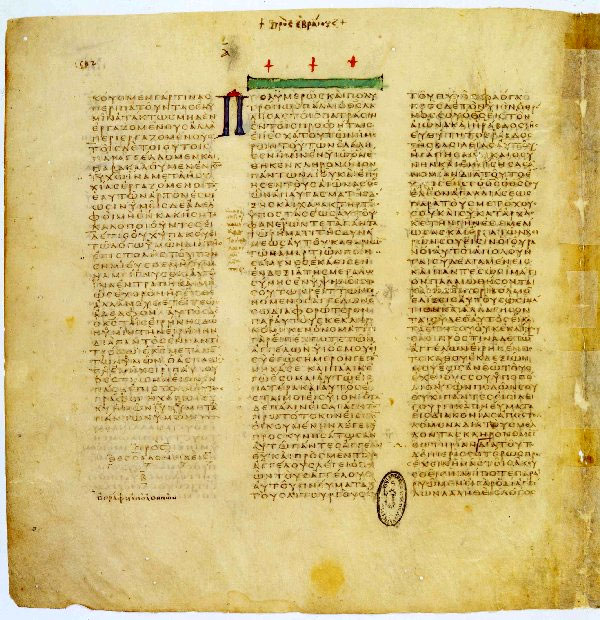
I know, you’re probably thinking, “this is colored with paint—how is that a drawing?” and you’re right. Back then, drawings were really not considered anything worth keeping. Drawings were preparatory studies and practice for beginning artists so they could eventually paint with accuracy. The illuminated manuscripts are the closest we get to drawing since the prehistoric artists, until the early Renaissance.
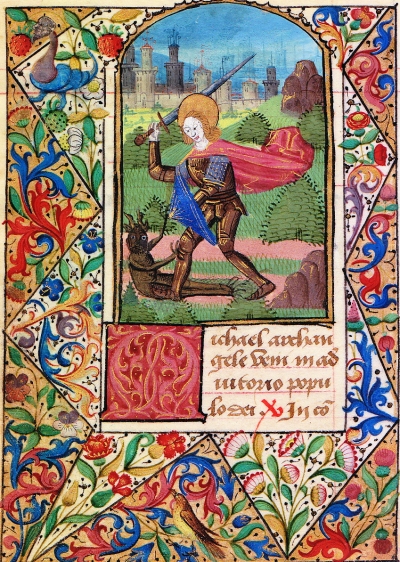
In order to keep the lettering and images consistent in these manuscripts, model books were made. These books contained examples or prototypes of what certain images, like the crucifixion, or the martyrdom of Saint George, should look like. Students would copy from the book to learn the style of that particular Atelier, or studio where the books were produced. Each Atelier had their own particular style. After copying all the drawings in the book, they would then be able to produce that style over and over again for the Atelier.
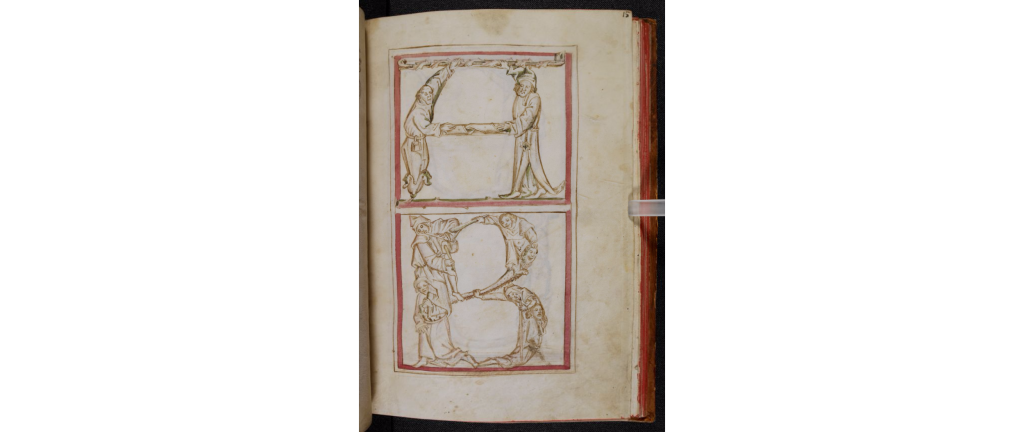
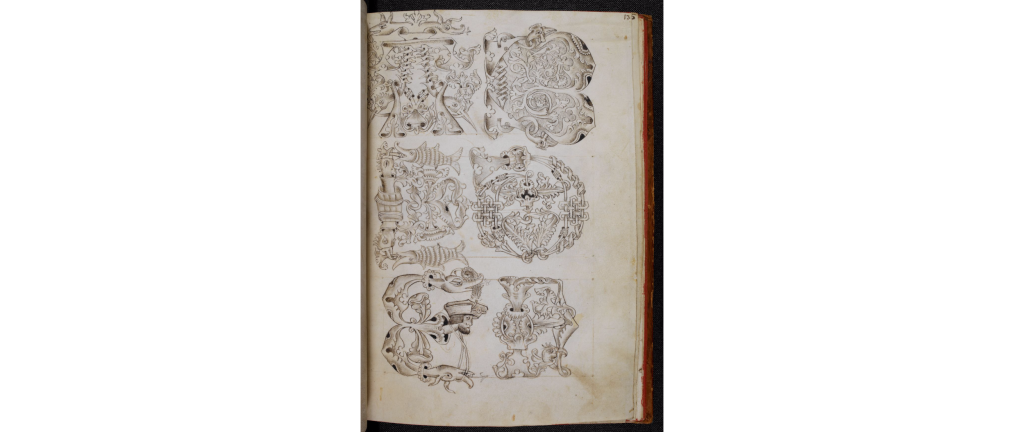
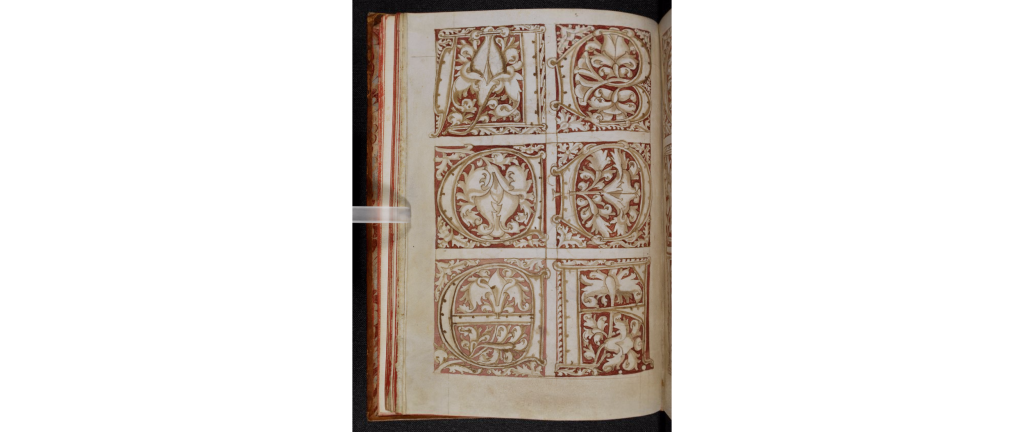
In about the 13th century, papermaking techniques arrived in Europe. Making paper was easier and less time consuming than stretching, cleaning, and drying animal hides for vellum and artists began using paper more and more frequently. Even still, drawings weren’t considered fine art. Due to the lack of reverence paid them as well as poor conservation, not many drawings still exist from this time period.
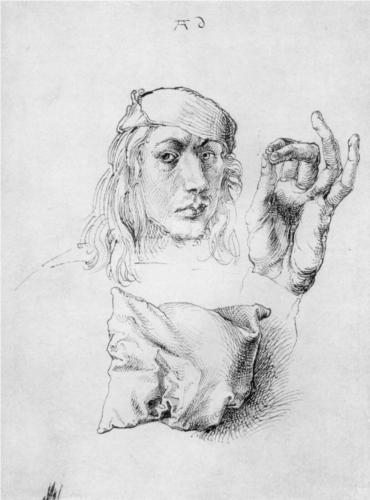
Here is a classic example of drawing being used as study for other works; Albrecht Durer has made separate small preparatory sketches on one sheet of paper. They are not intended to make one finished and coherent drawing. Rather, they are studies that share a single piece of paper.
Albrecht Durer is well known for his drawings, etchings and watercolor paintings from the late 15th century. Here are two of his self-portraits: one at age 13, the next at age 51.
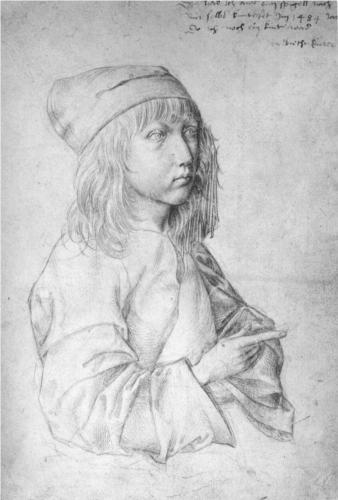
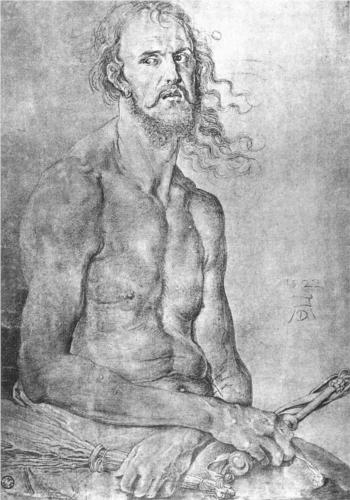
In the Renaissance (ca. 1330 – 1550 CE), drawing became much more popular than in previous centuries and was considered the foundation for any work in the arts. Before students could learn to paint, sculpt, or build, they first had to learn to draw accurately. During this time period, artists began to draw from the live nude figure for the first time and because of this, figures in drawings and paintings developed greater realism.
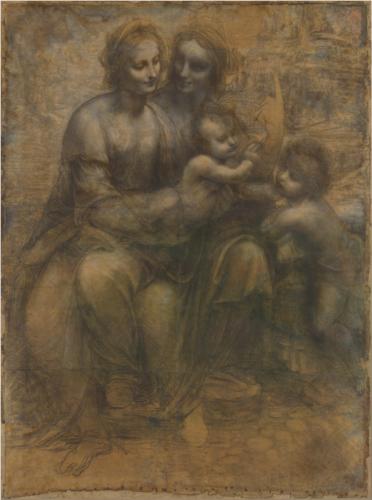
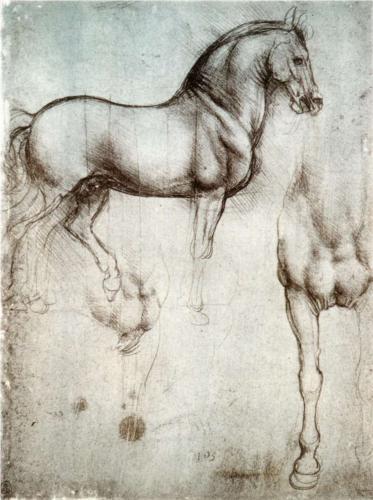
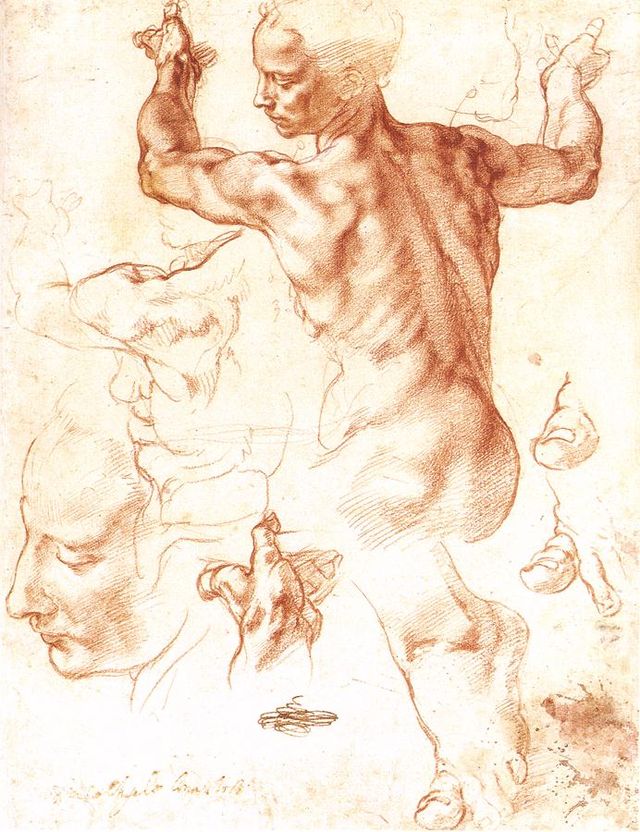
Drawings weren’t done exclusively on paper; mural artists would draw their composition onto plaster first before painting it. Making multiple studies helped the artist work out any trouble areas before drawing it at a massive scale (if you can’t draw it small, you won’t be able to draw it big either).
Some artists would draw out their composition on a large piece of sturdy paper (like lightweight cardboard) and poke small holes along all their lines. Then they would hold it up to the wall and strike it with a bag full of charcoal, so when the paper was removed, they would have a perfect outline of their drawing on the wall. This is called a cartoon.
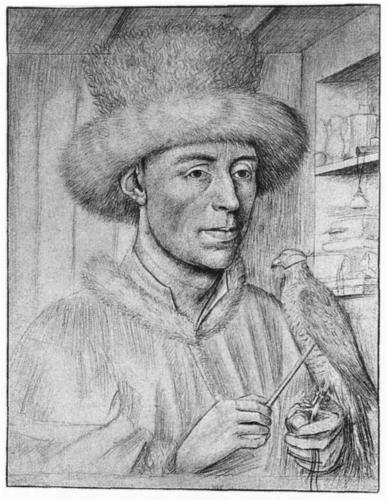
Fifteenth-century Flemish artists preferred the precision of metalpoint on white paper. This technique is done by preparing a sheet of paper with a primer or gesso then drawing with a piece of metal (usually silver, though copper and gold are also used) instead of graphite.
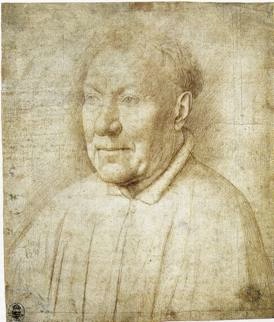
Jan van Eyck, Portrait of an Unknown Man, c. 1435-40, silverpoint on prepared paper

Chalk was seldom used by Flemish artists, but Hendrick Goltzius was adept at using various drawing mediums to suit his vision.
Goltzius didn’t invent this method, but likely picked it up on his travels through Europe, as this technique was popular among the French in the fifteenth century.
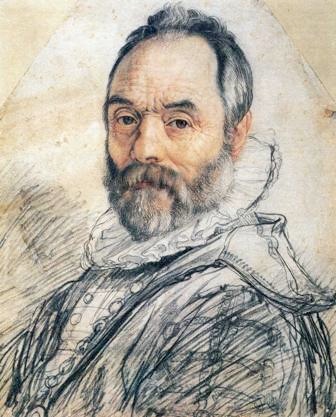
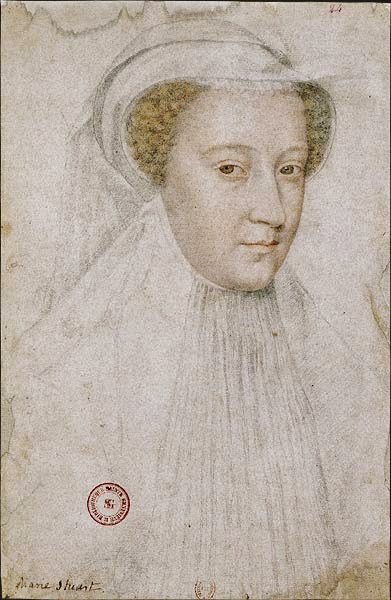
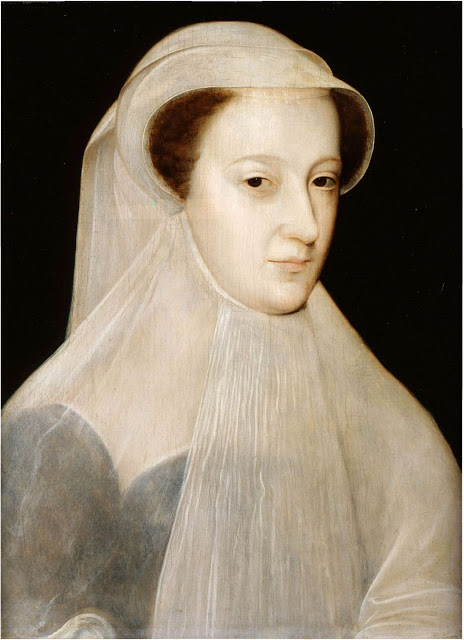
It was around this time that the first blueprints for the pencils that we know and love today were invented. An Italian couple, Simonio and Lyndiana Bernacotti, hollowed out sticks of juniper wood and inserted a stick of graphite in the center. Before this, artists would wrap sticks of graphite with sheepskin or string to keep it from breaking and to keep the artists’ hands clean. When people first discovered graphite in the early 1500’s, they thought it was a type of lead compound, which is why to this day we still call it a “pencil lead” even though there is absolutely no lead in it. In fact, modern pencil leads are a mixture of graphite powder and clay that are then fired in a kiln. By varying the ratio of clay to graphite, the hardness of the pencil changes.
In the 17th and 18th centuries, the importance of absolute precision and accuracy in drawing gave way to a freer handling that reflected the interests of the Baroque style in art. The art of the Baroque was exaggerated to produce drama and grandeur and was intended to impress viewers.
These drawings were preparatory sketches for later paintings.
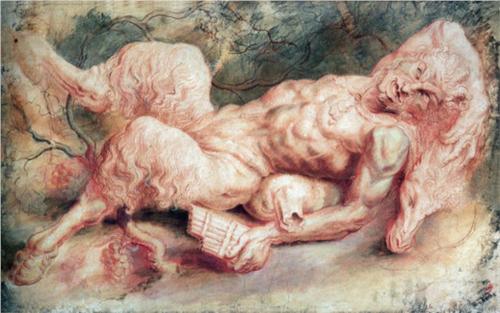
Peter Paul Rubens and Rembrandt van Rijn are perfect examples of this newer, more dynamic style.
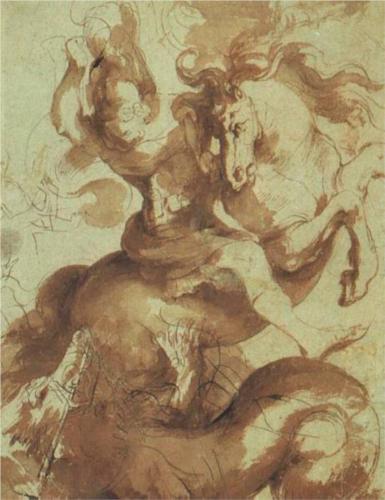
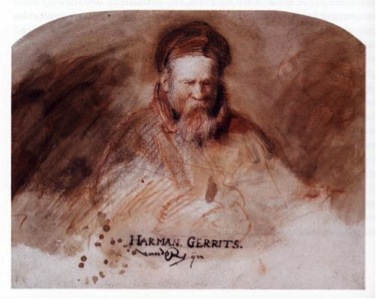
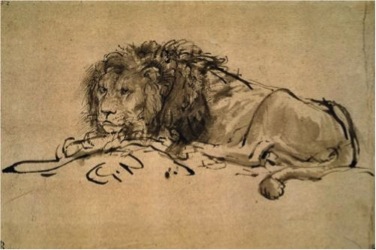
The Rococo period was dominated by French taste and culture. Artworks from this time period are characterized by cheerful, often frivolous subjects and activities, with an emphasis on decoration and luxury. Whereas the Baroque period favored bold lines and dramatic scenes, artworks from the Rococo period are often very soft and gentle in their nature. Line work is less harsh and pastels were used frequently to further enhance this new aesthetic.
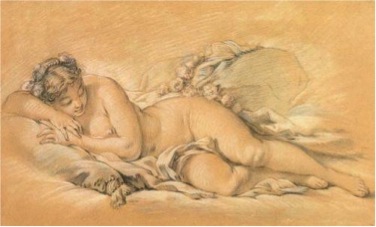
In the 19th and 20th centuries, manufactured pencils were widely available and became the preferred medium for most draftsmen. Artists like Jean-Auguste-Dominique Ingres refined pencil drawing techniques. Ingres paid close attention to line and contour, leaving some areas of the drawing suggested rather than fully rendered.
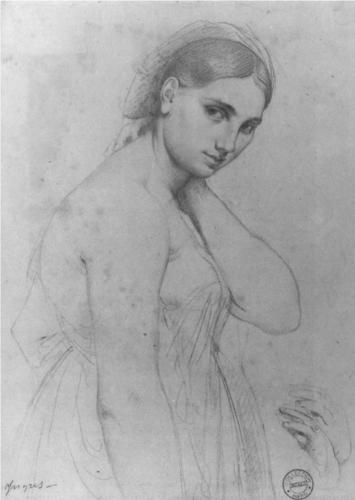
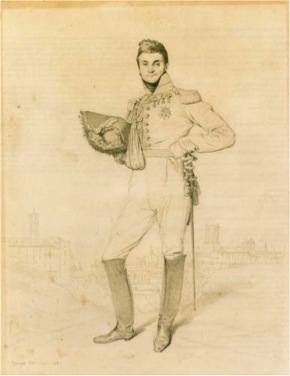
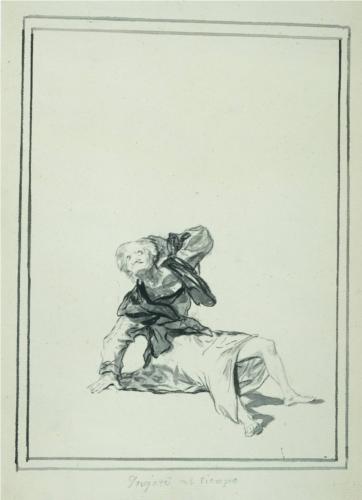
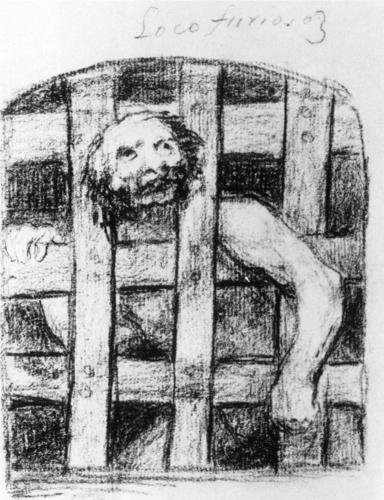
Francisco Goya is another excellent example of this time period. Quite possibly as far away from Ingres on the spectrum as you can get, Goya made gestural, cartoon-like drawings satirizing and critiquing scenes from everyday life.
For centuries, realistic, lifelike, academic drawing dominated Western art. By the end of the 1800’s, artists began to question this tradition. This is when we see the rise of the Impressionist movement with more experimentation in art, and artists asking the question, what makes art Art. With the widespread availability of new media and a new interest in breaking away from the rigid expectations of traditional rendering, artists began combining media and discovering new methods of depiction that focused on feeling rather than perfection.
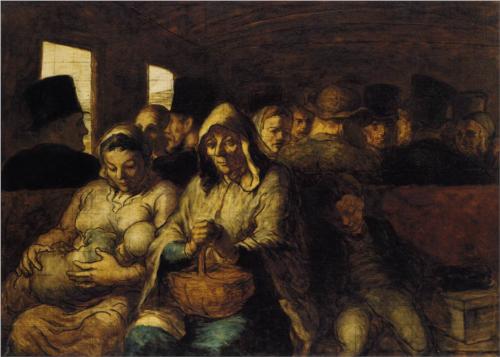
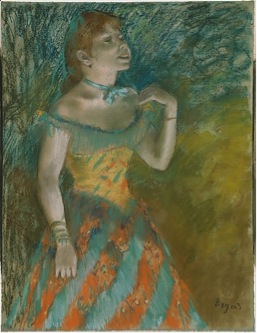
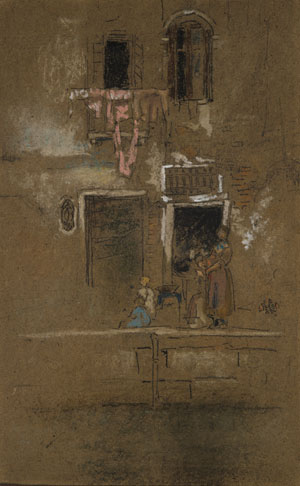
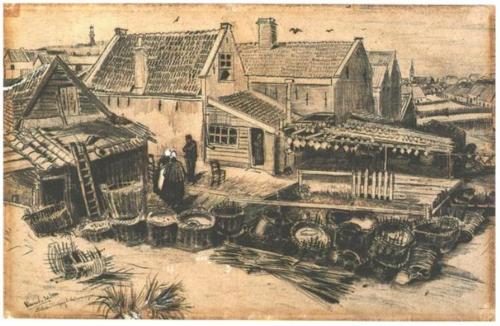
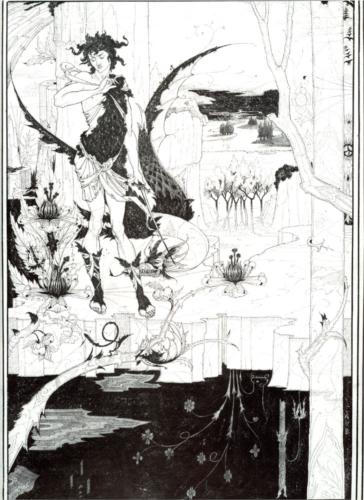
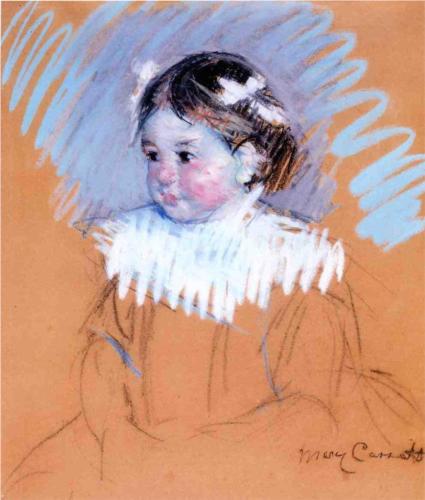
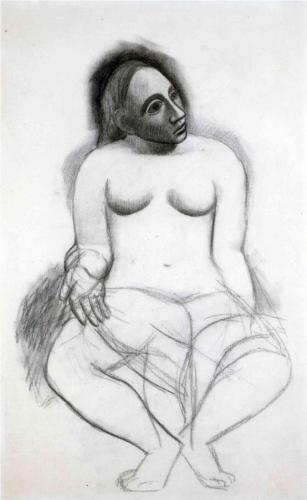
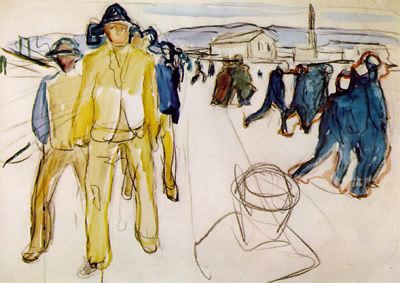
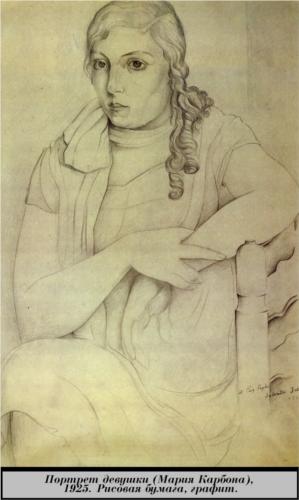
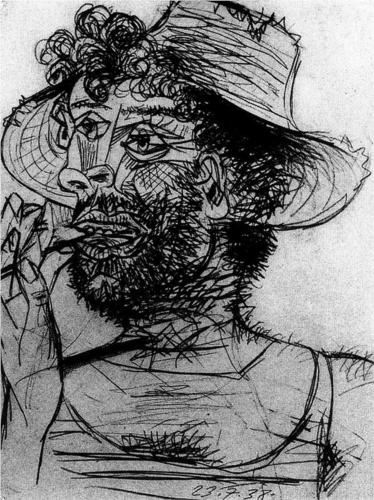
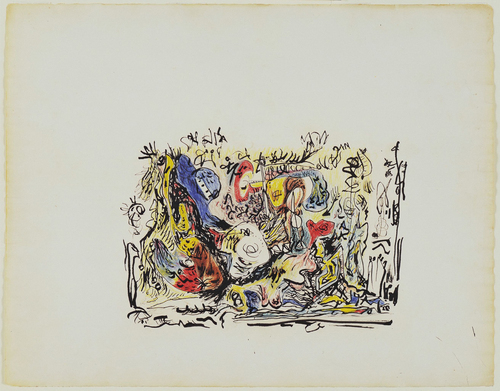
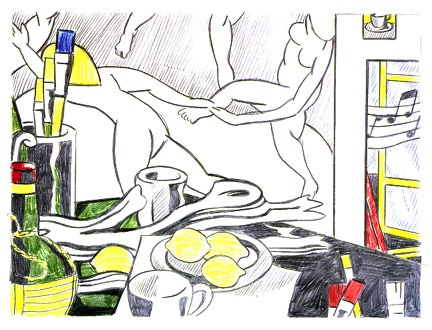
As the 20th century progressed, you can see more and more individualism in each of the drawings as artists expressed themselves in a variety of ways.
Source: http://www.beginnersschool.com/2015/05/04/history-of-drawing/