5. Metroid Prime
Developed by Retro Studios
Dakinedi, A. (2020). Top 5 Best Video Game UIs. Retrieved from https://medium.com/super-jump/top-5-best-video-game-uis-db941d6a9357
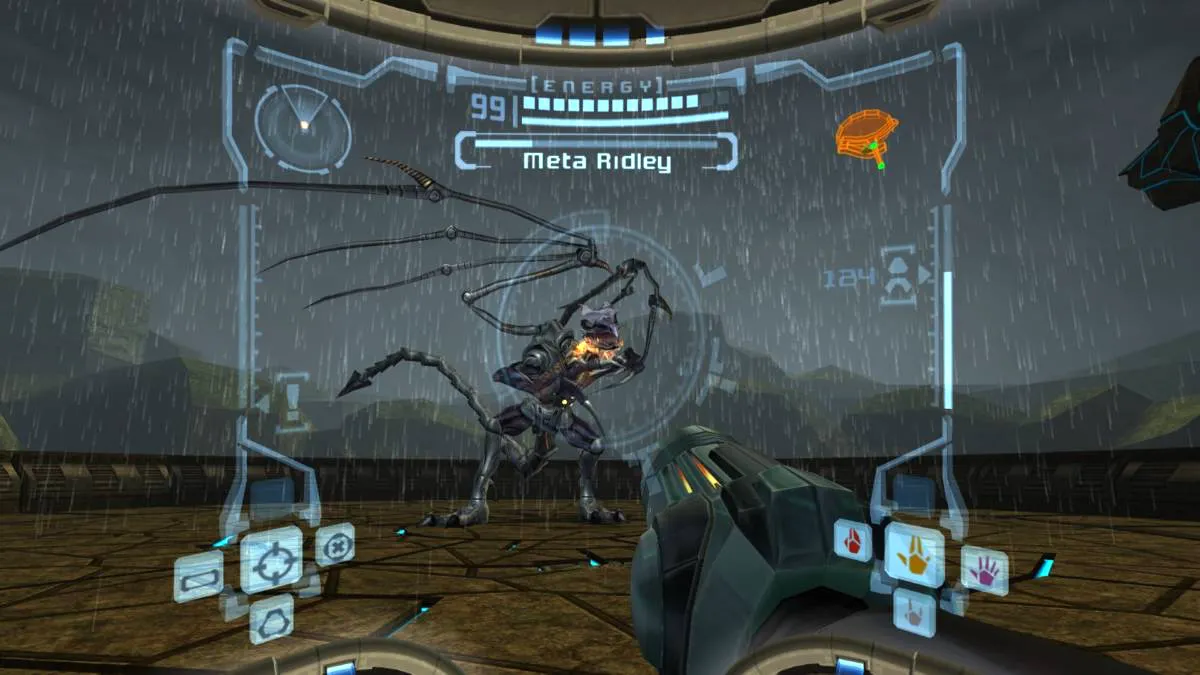
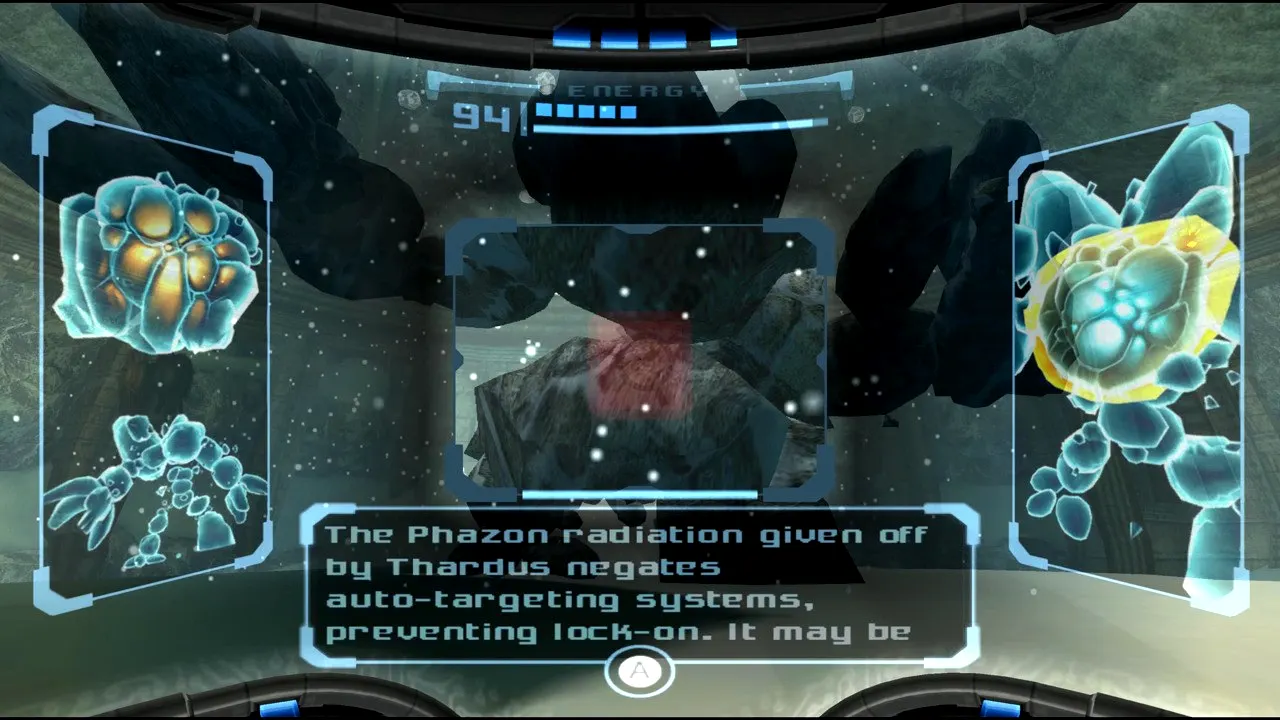
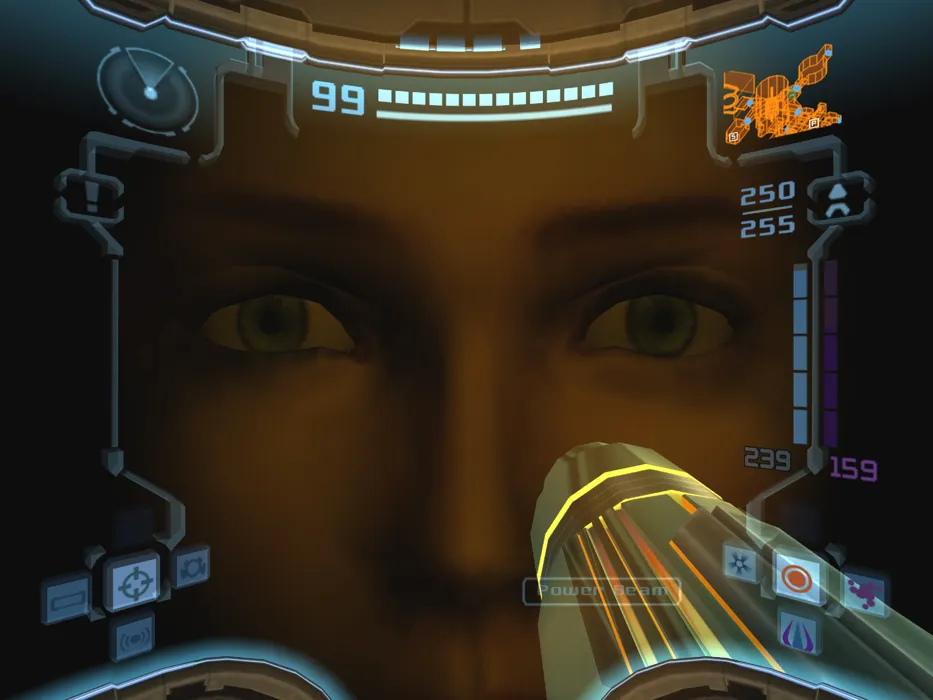
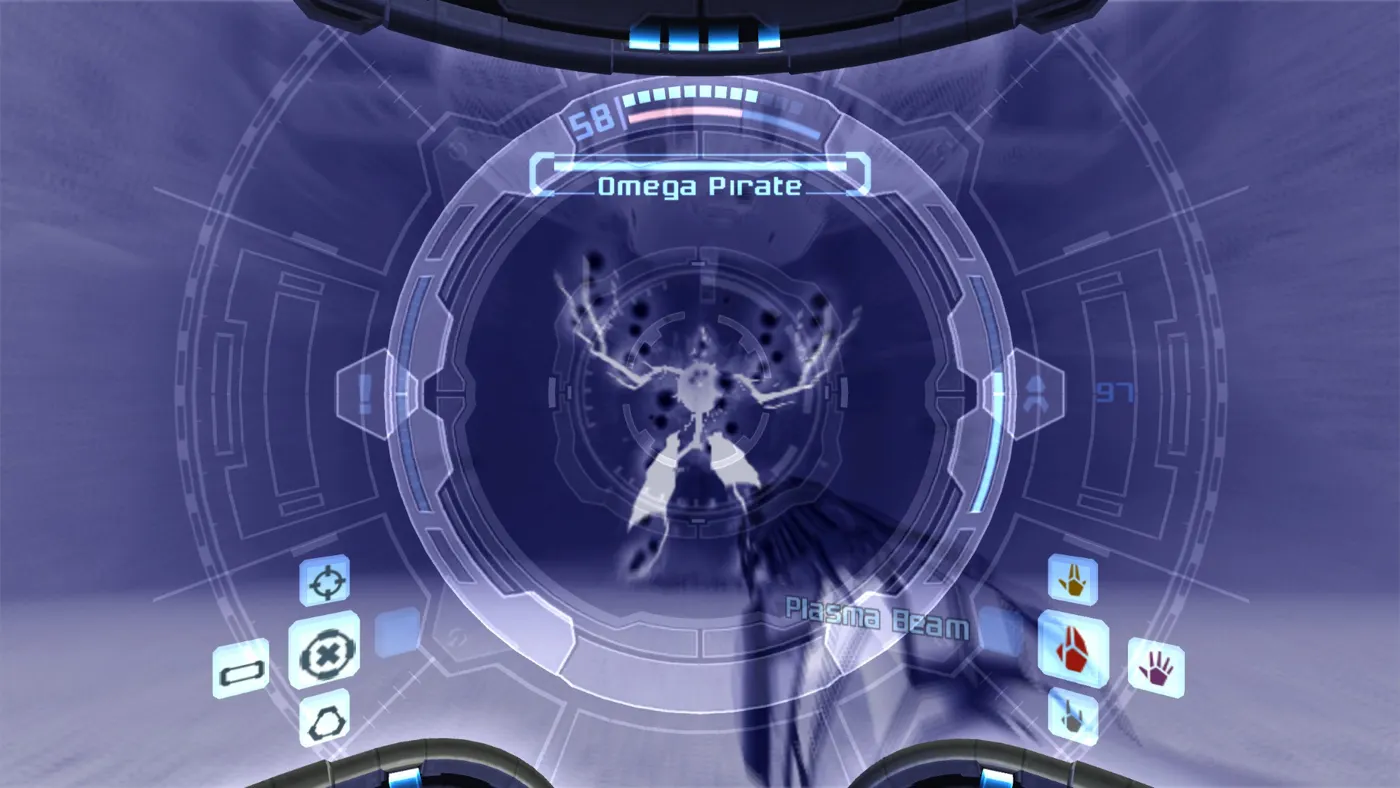
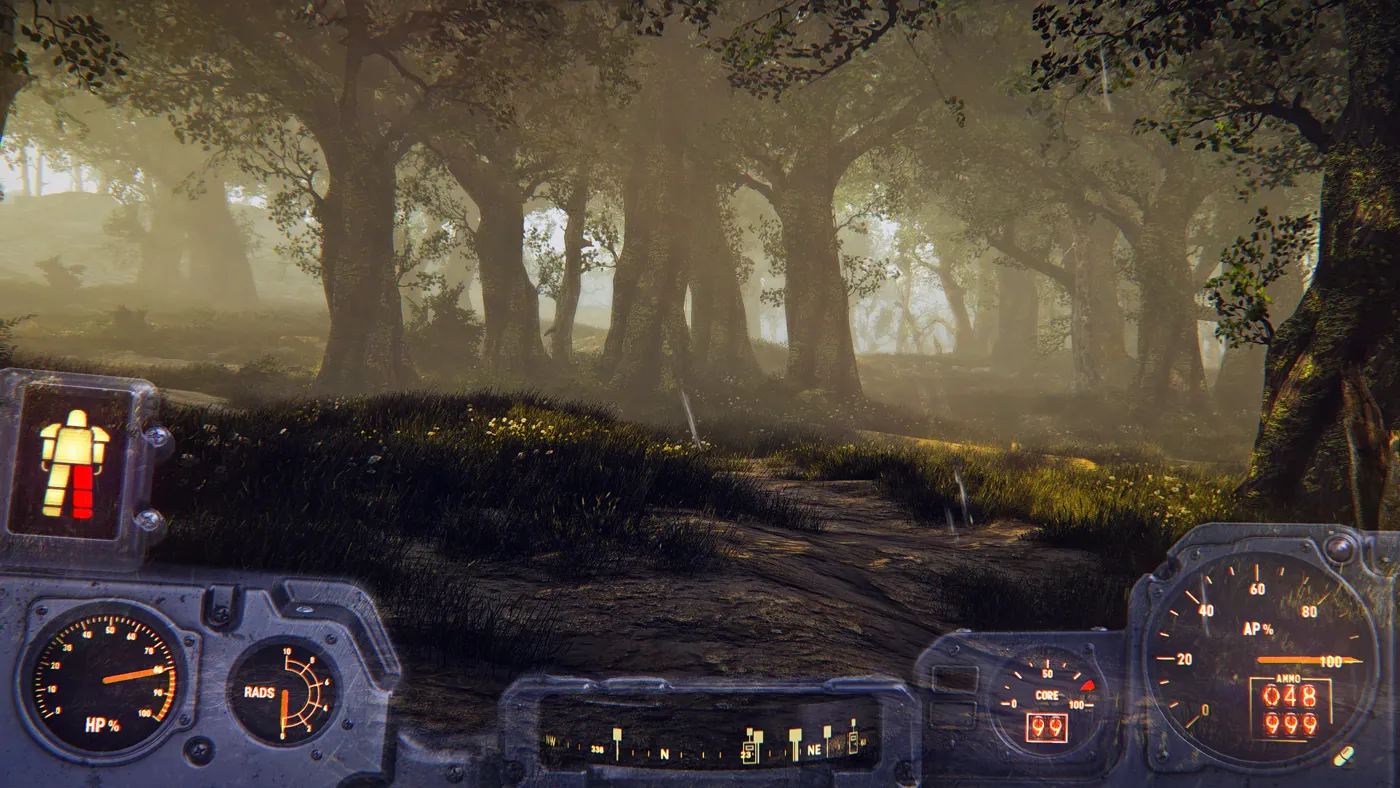
The game that set the stage for understanding the crucial impact of a game’s interface on player experience is Metroid Prime. Even over sixteen years since its launch, it stands out as a pinnacle of UI design in gaming and is one of the earliest examples of an effective diegetic UI, where all interface components are integrated into the game world—specifically, projected onto the player’s helmet—instead of overlaying the gameplay screen.
4. Assassin’s Creed II
Developed by Ubisoft Montreal
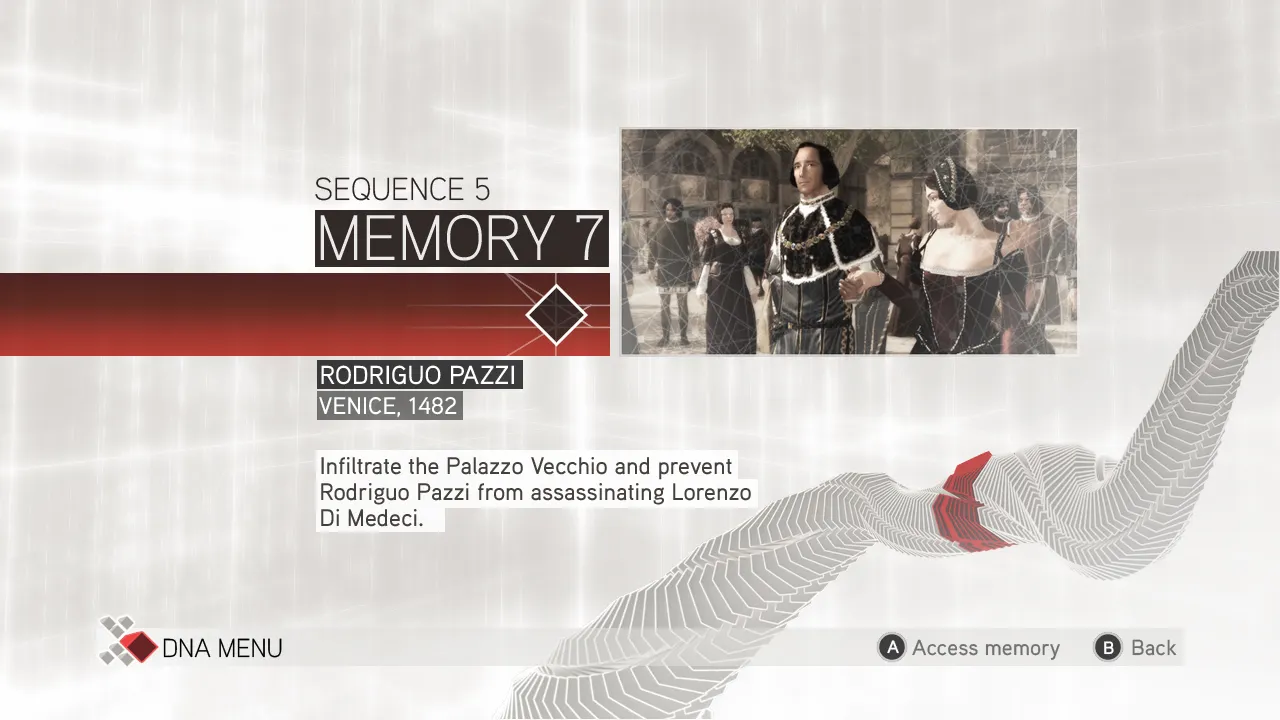
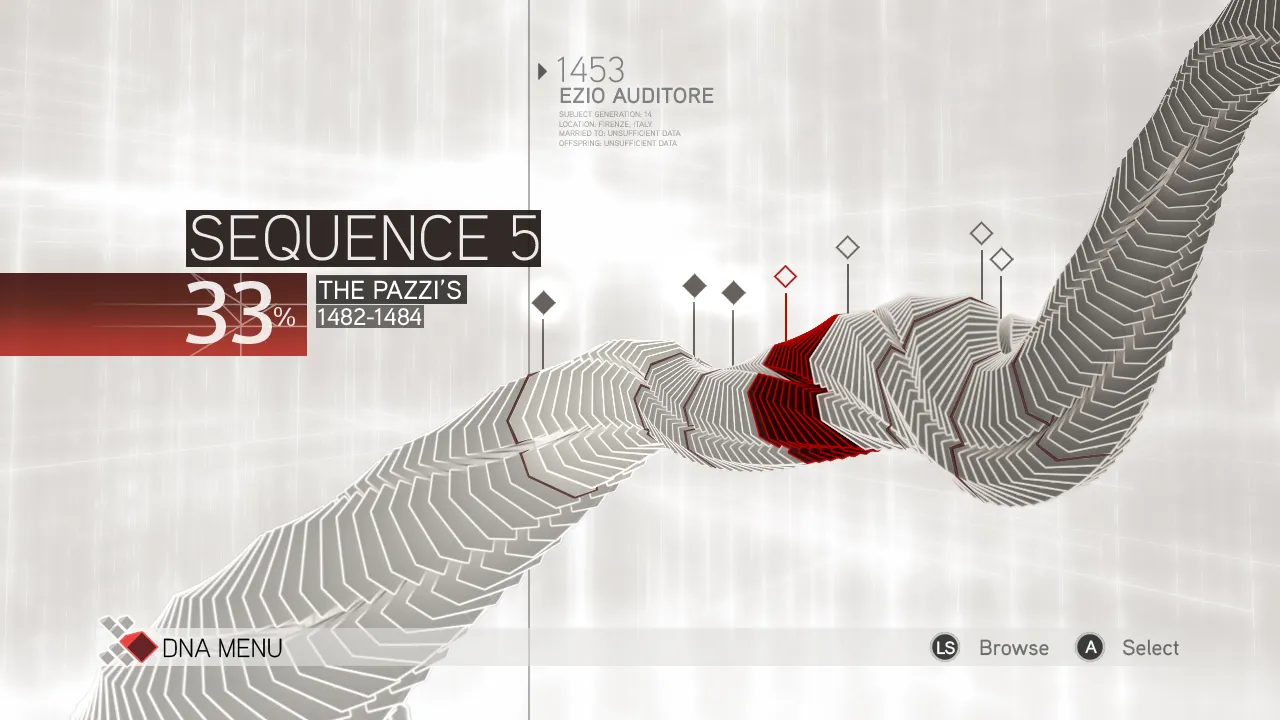
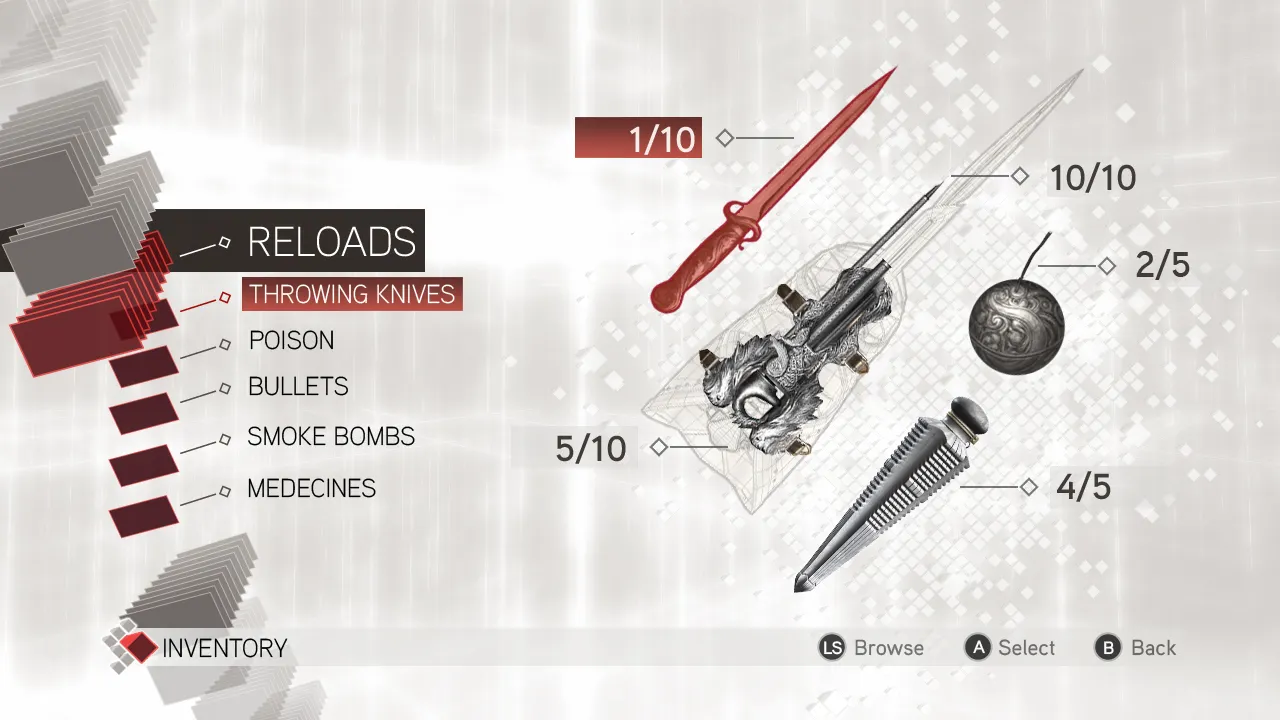
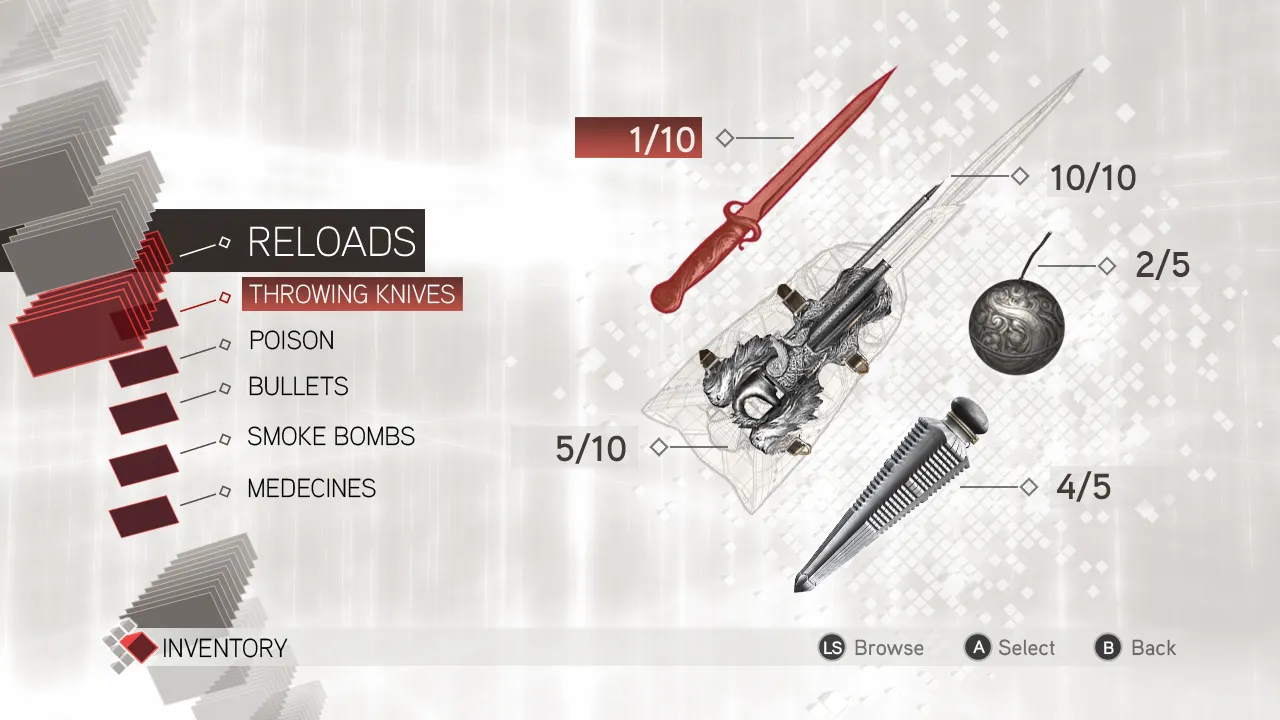
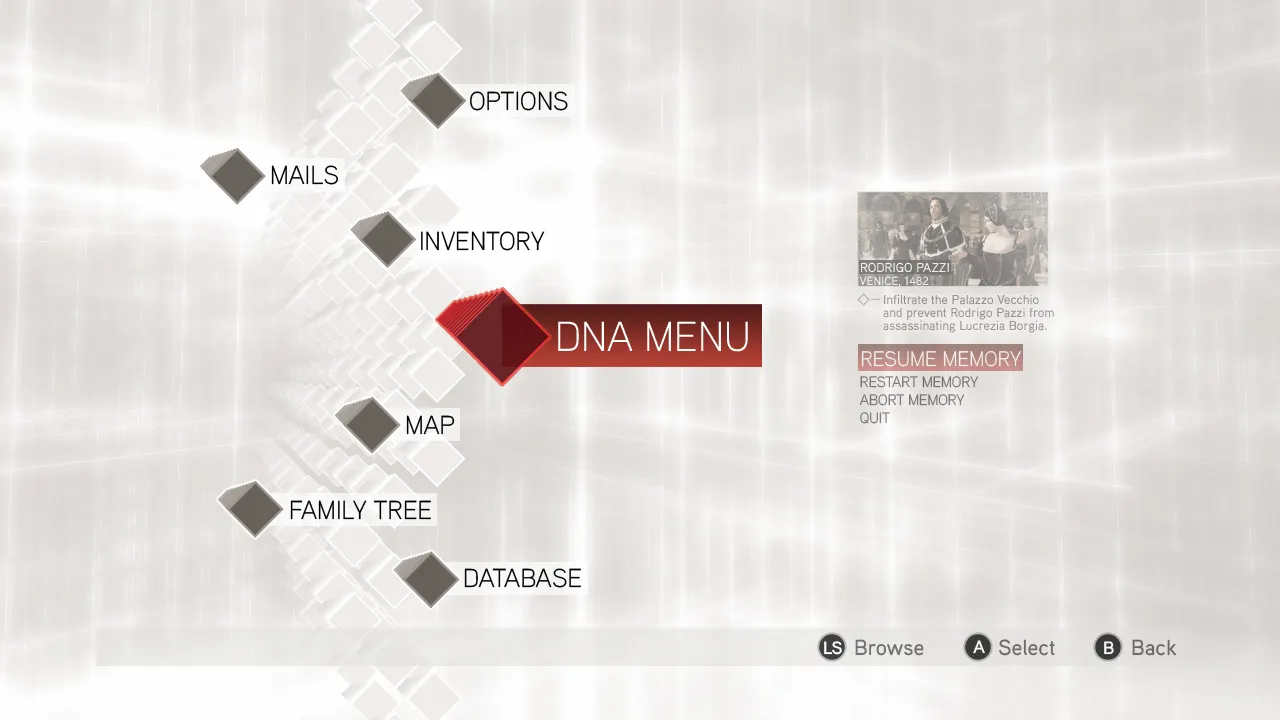
The Assassin’s Creed series has consistently showcased a highly refined user interface. The juxtaposition of the medieval environments where players typically traverse and climb with the modern, tech-inspired design of Abstergo Industries is both eye-catching and impressive. However, one installment stands out for its exceptional interface that enhanced the navigation of in-game menus: the Animus interface in Assassin’s Creed II.
3. Destiny
Developed by Bungie
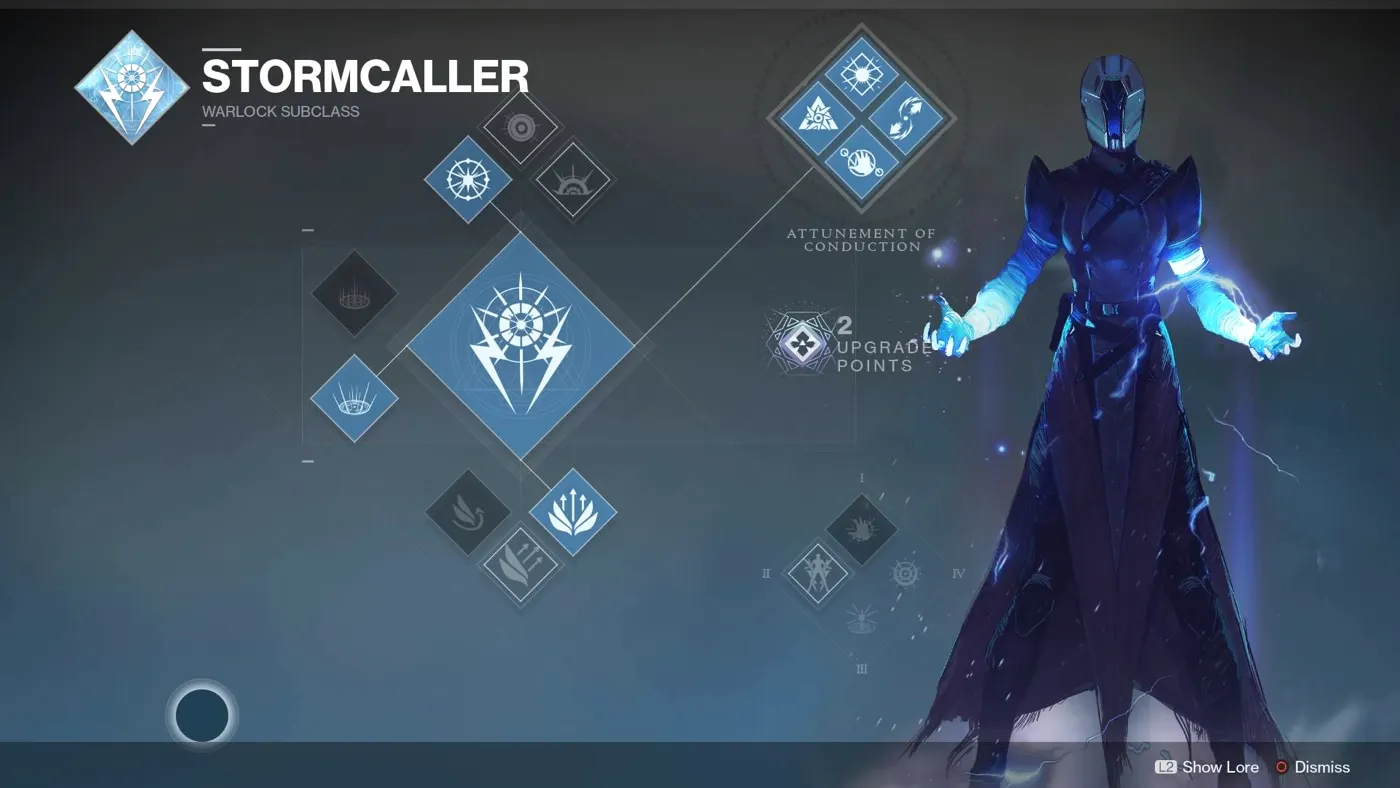
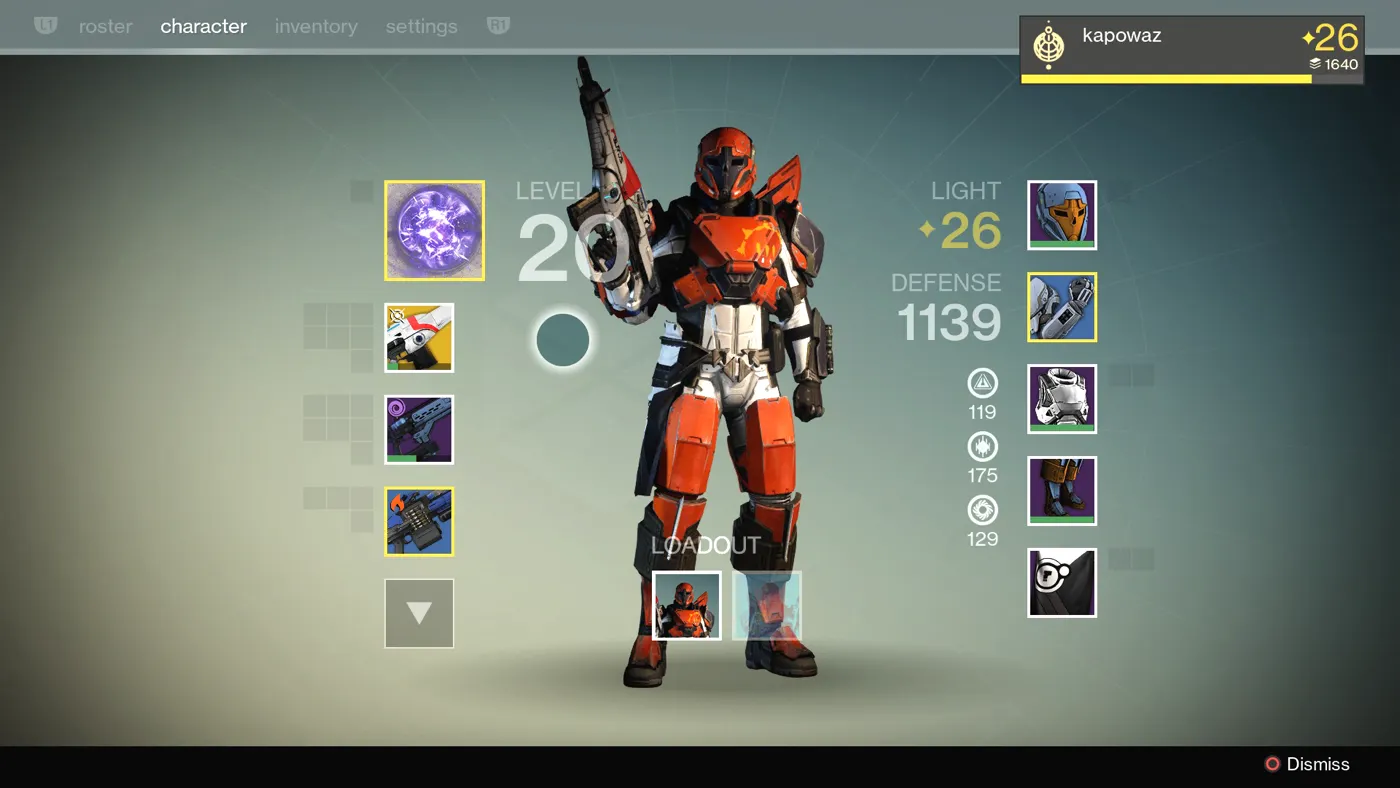
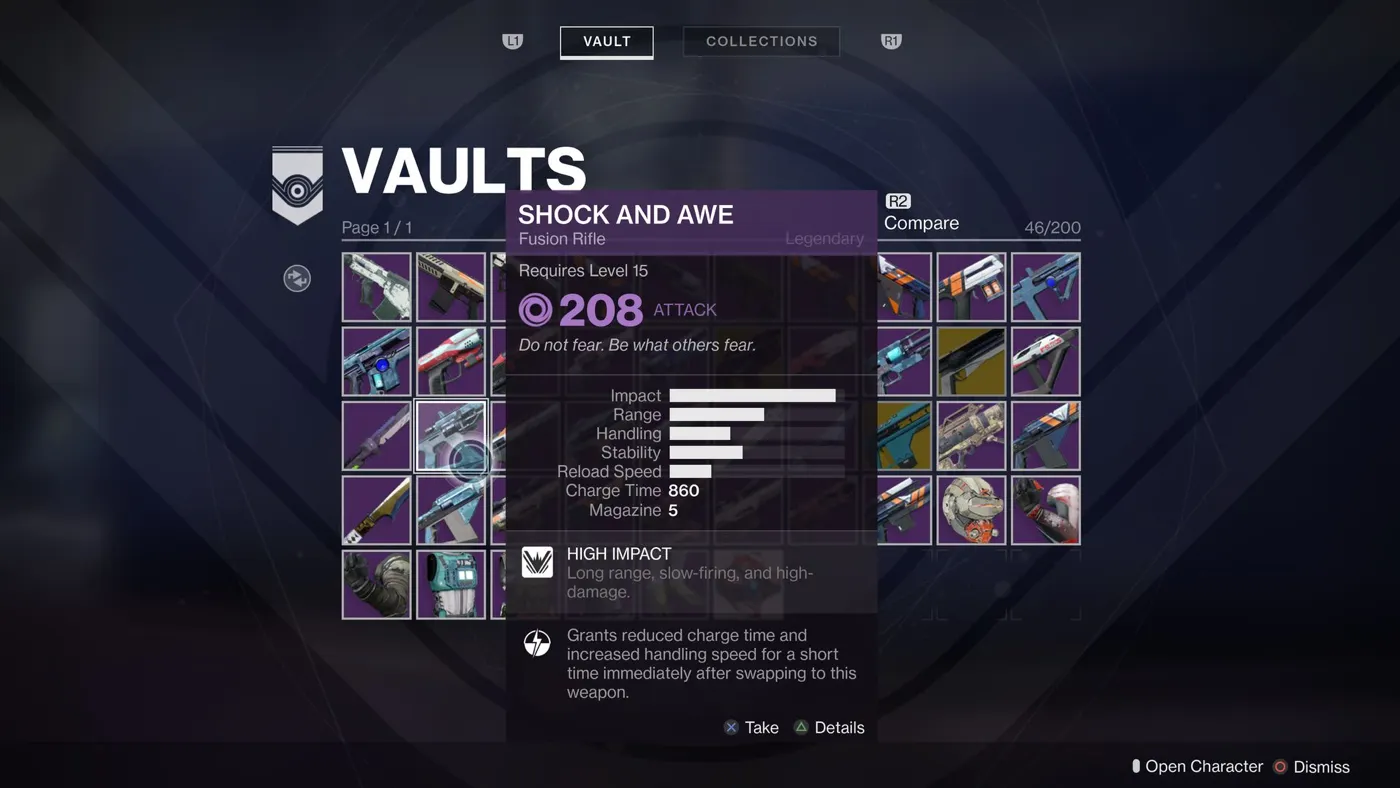
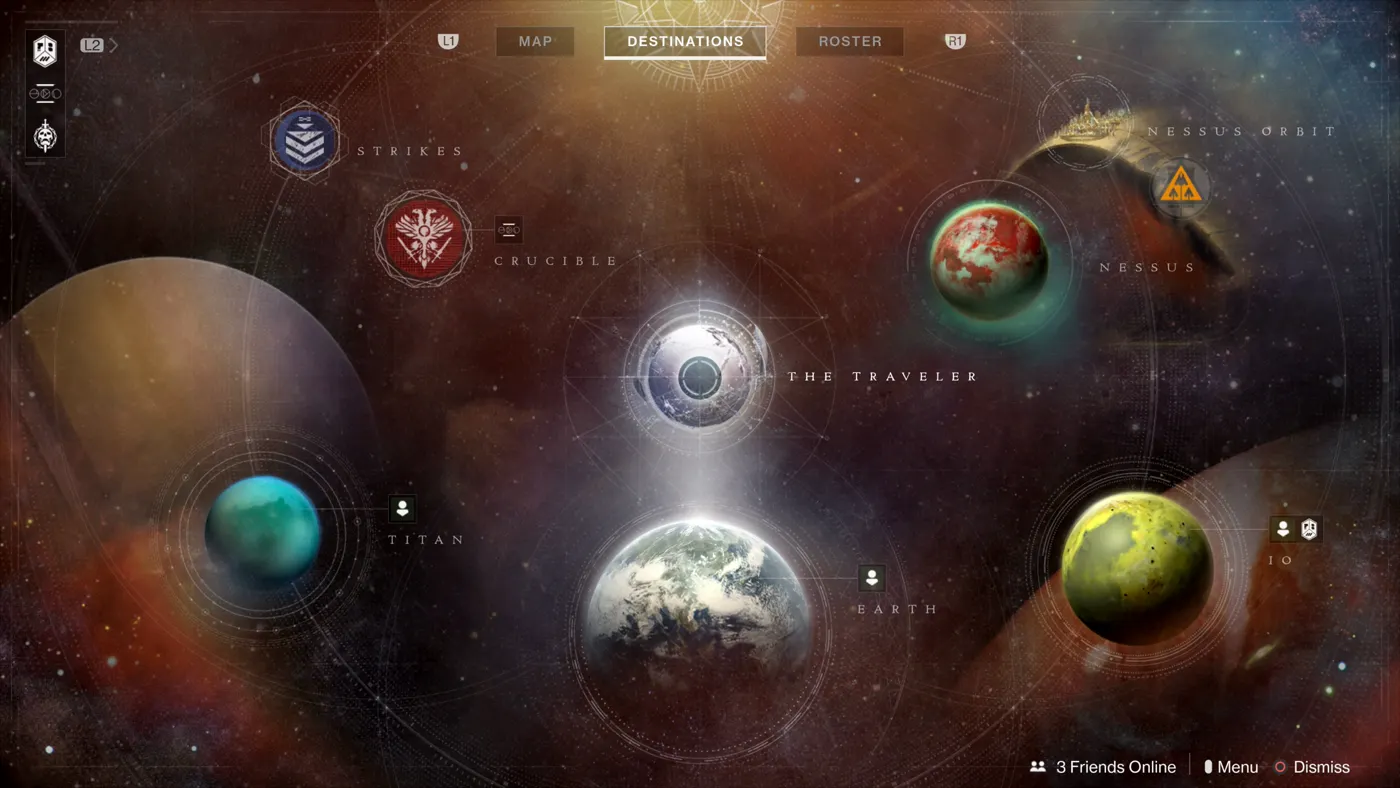
When Destiny was first revealed as a console exclusive, there was a lot of skepticism among gamers. It featured complex RPG systems within its core gameplay that were typically found in hardcore PC titles. PC games often have densely packed menus filled with selectable items, designed for quicker navigation with a mouse. This raised a crucial question for designers: how would Bungie manage to adapt this for a controller layout intended for a mainstream console audience?

2. Persona 5
Developed by P-Studio (Atlus)
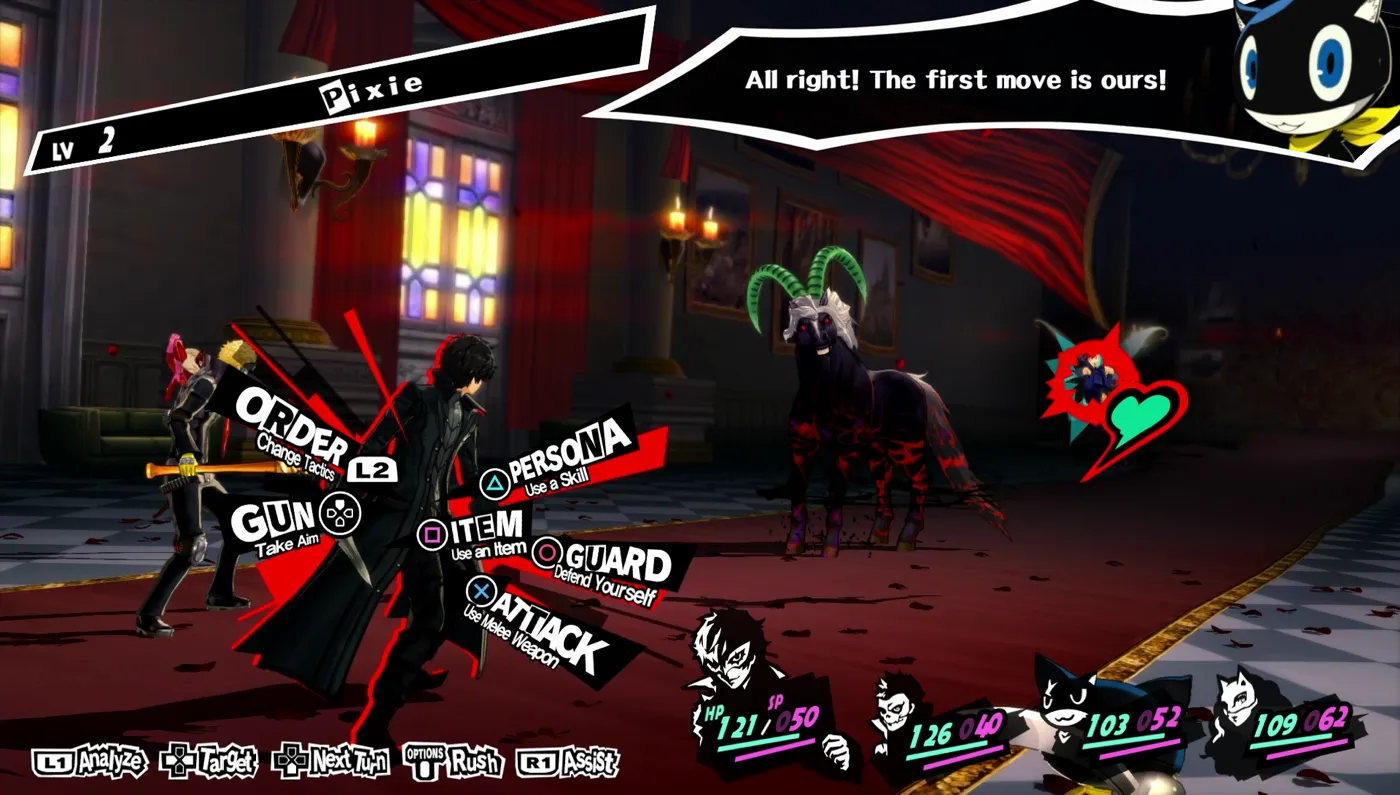
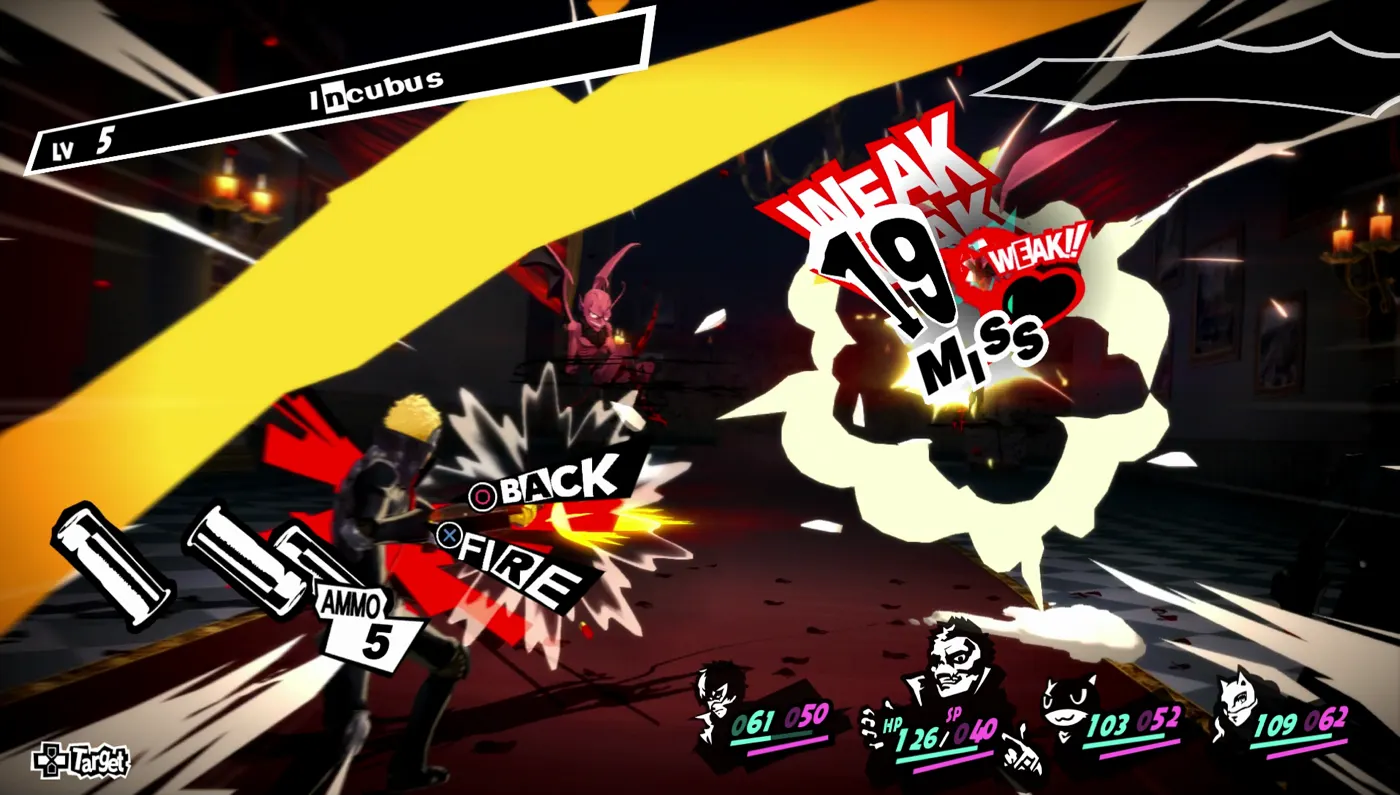
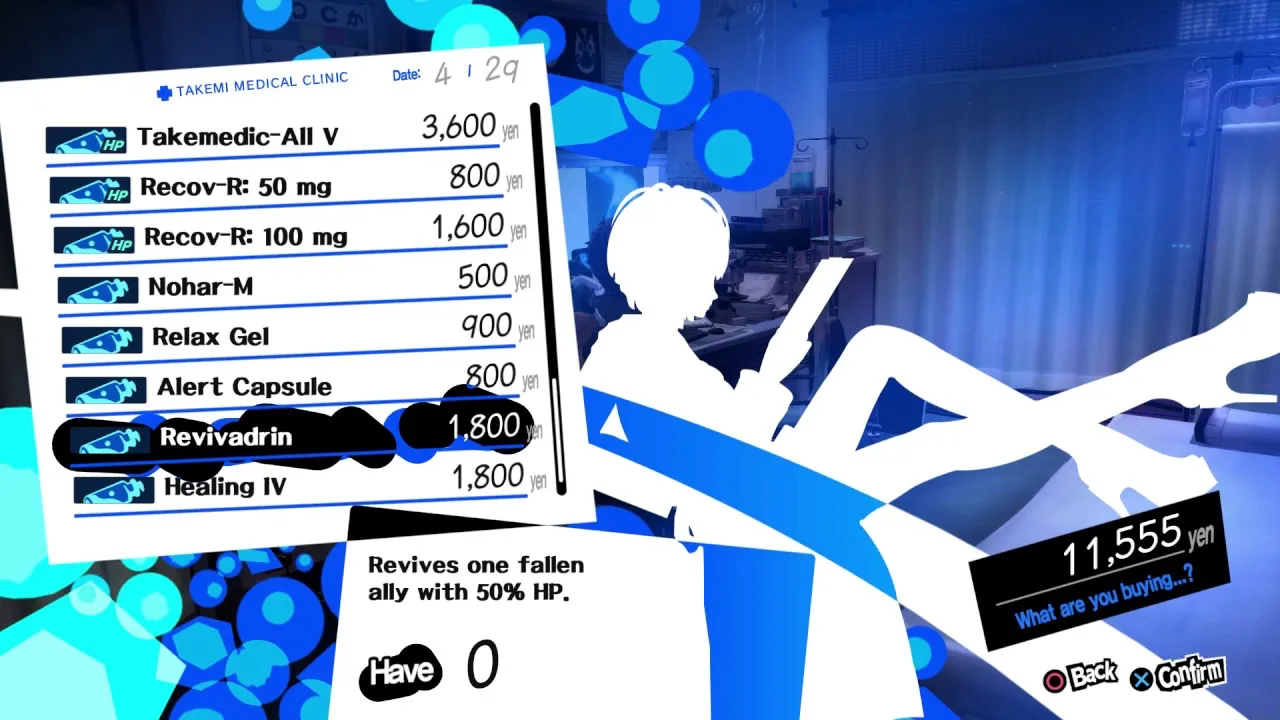
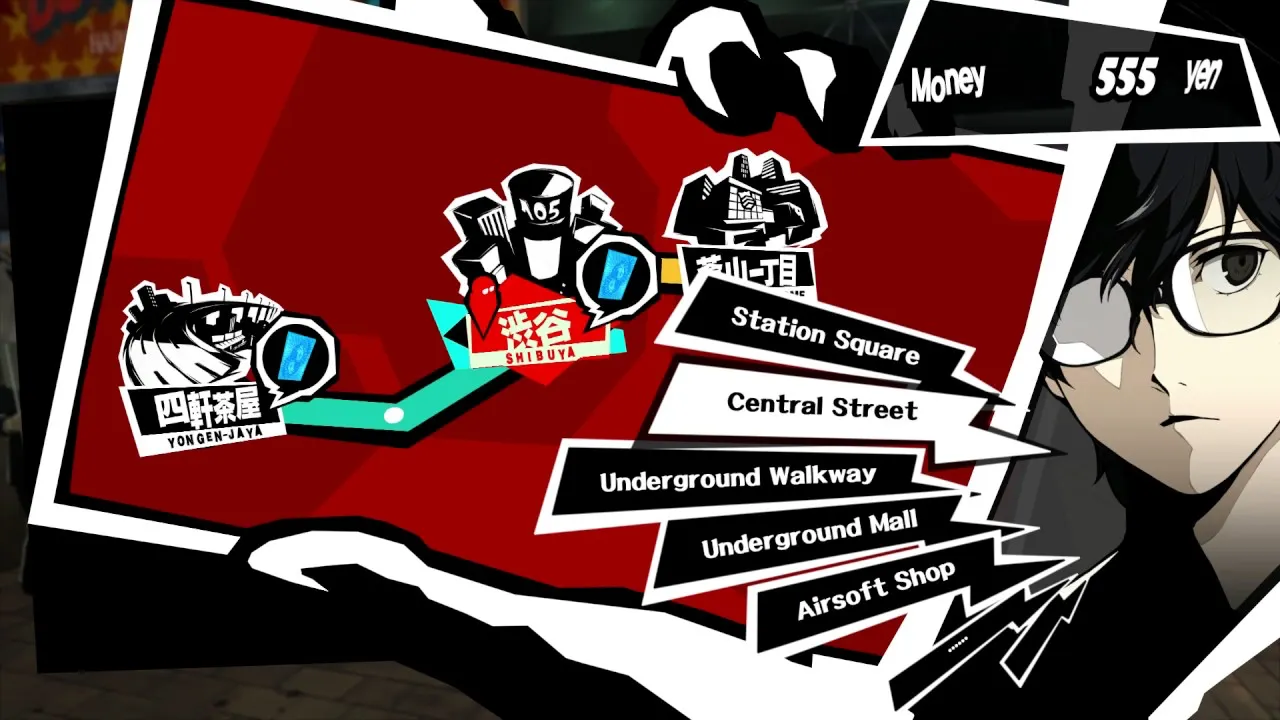
You could sense this coming—this list wouldn’t be complete without mentioning it. Persona 5 boasts the most stylish, chaotic, and extravagant user interface ever seen in a video game. It radiates personality and visual flair in every menu, animation, and screen transition. The interface is such a major draw that players are motivated to continue playing just to experience the new UI designs for different gameplay features. It’s incredible enough that players are even cosplaying the menu.
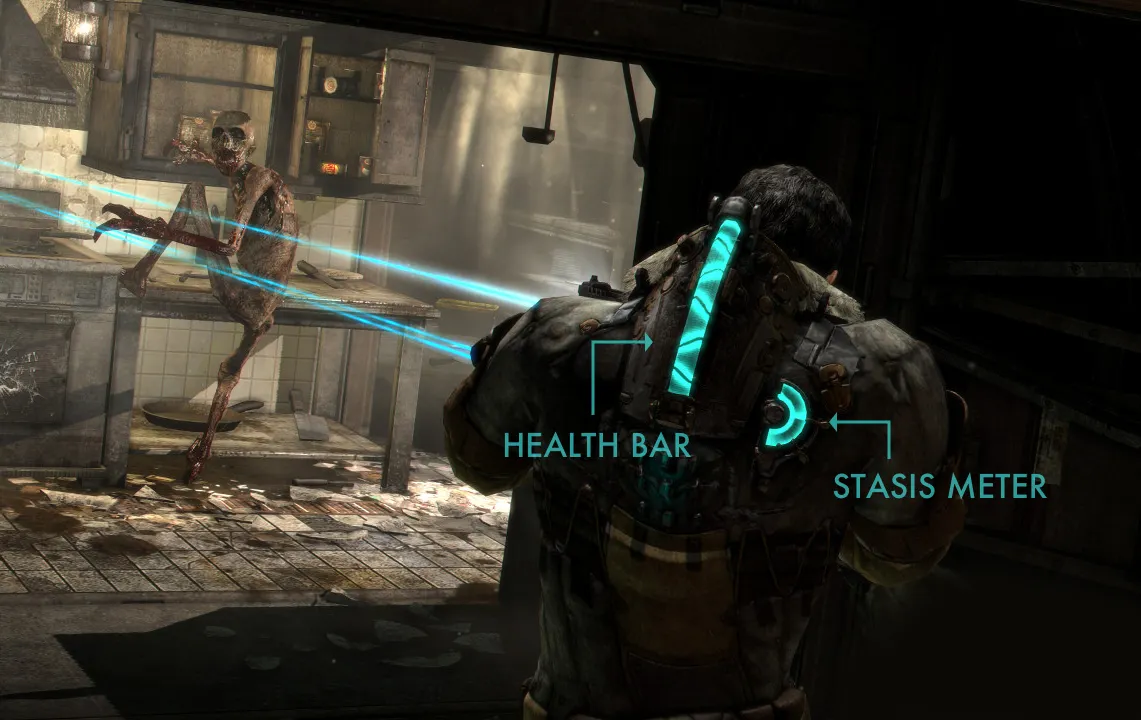
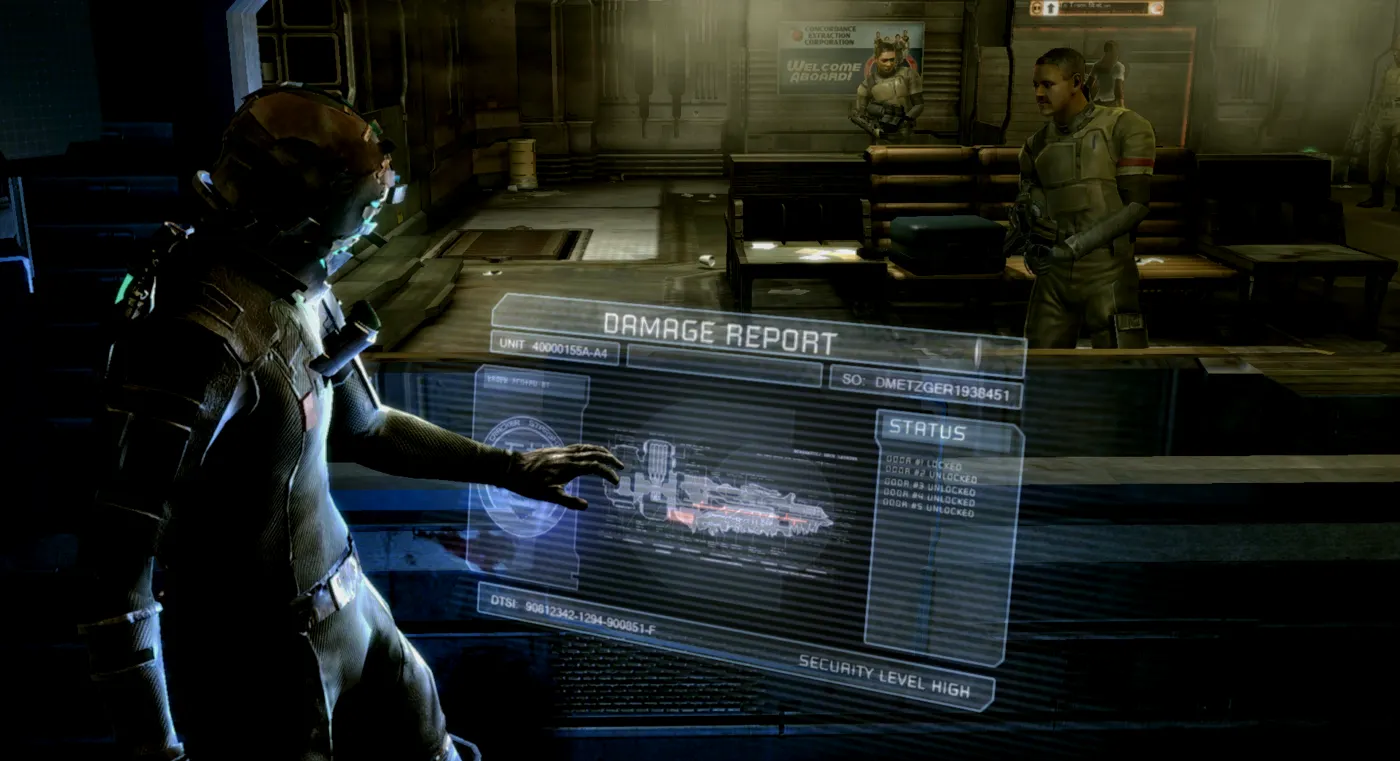
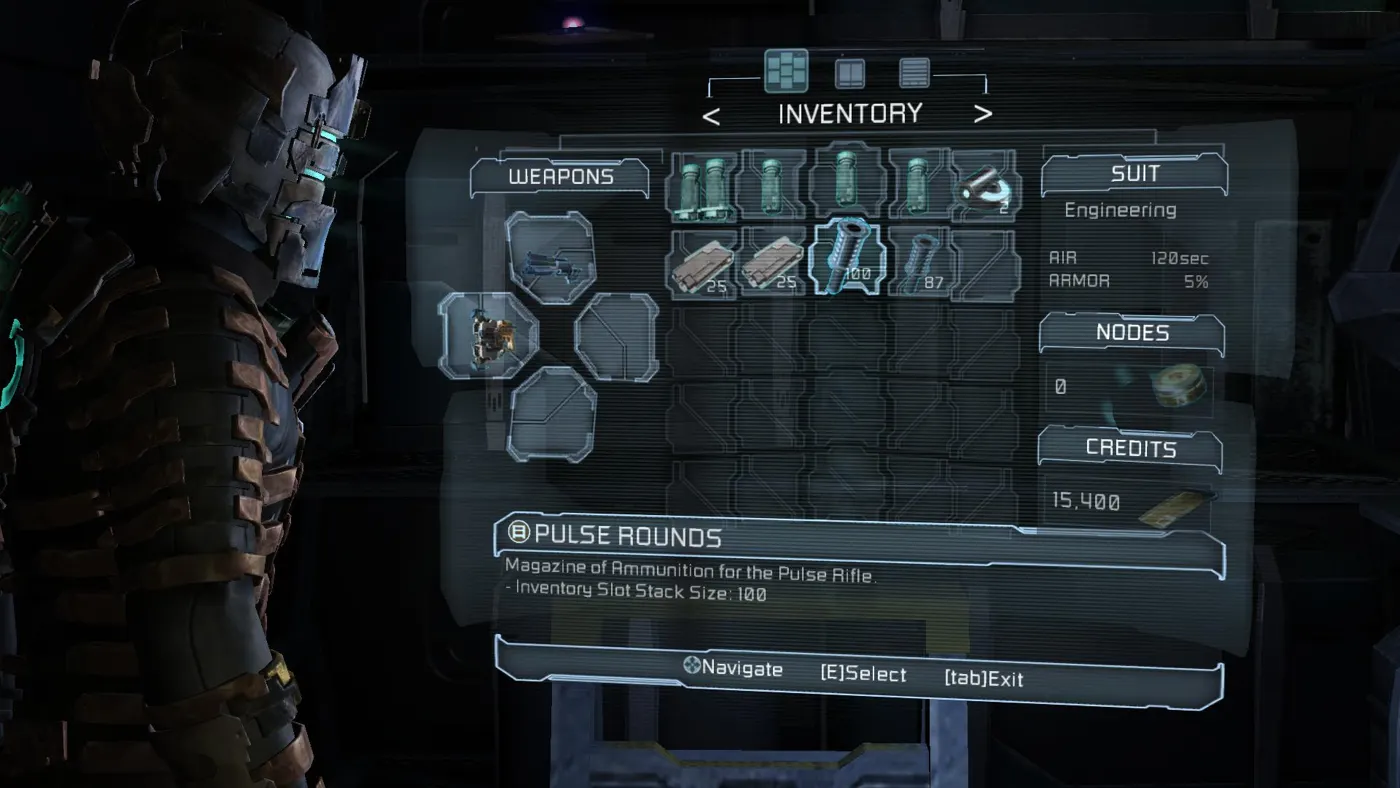
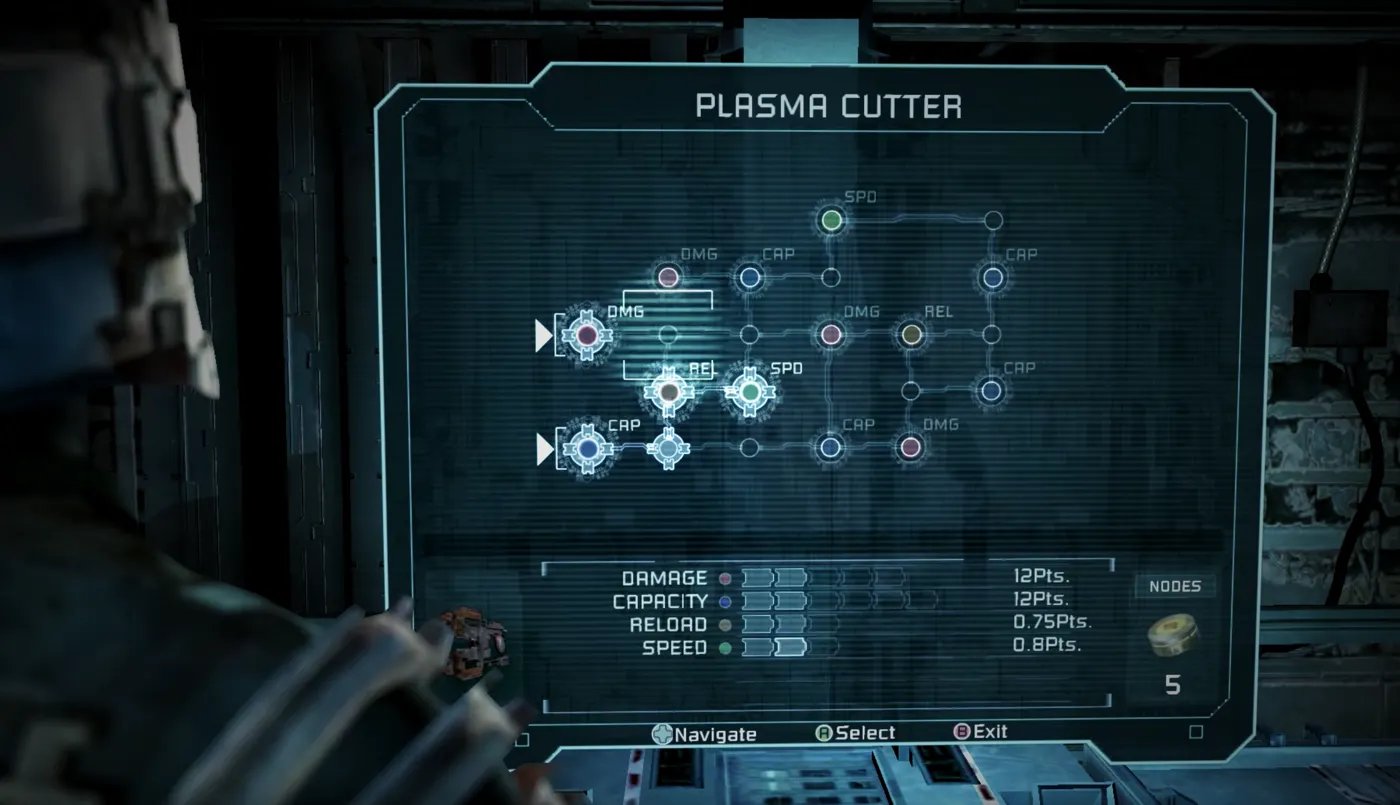
1. Dead Space
Developed by Visceral Games
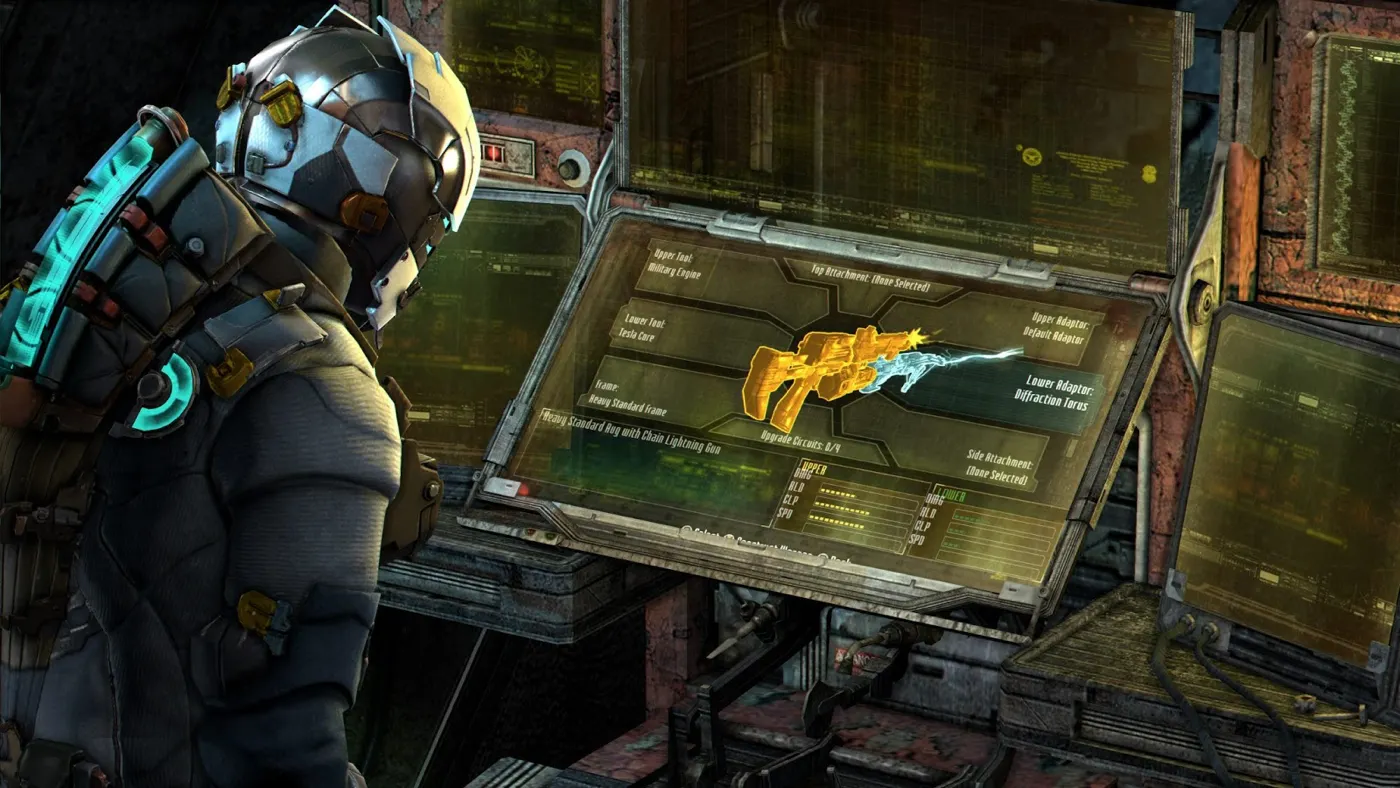
Dead Space stands as a prime example of how a diegetic user interface can fully leverage the capabilities of the gaming medium. Drawing inspiration from the HUD of Metroid Prime, it integrates the UI directly into the game environment, removing it from the corners of the screen and placing it within the world itself. This approach allows UI elements to exist all around players, enhancing immersion. Playing Dead Space marked a pivotal moment for gamers, showcasing how an interface can not only contribute to the atmospheric experience of a game but elevate it to entirely new levels.